india : What is the viral ₹370 biryani controversy in India? Here’s the complete story behind the “paise vasool nahi hua” remark, why it sparked outrage, and why global audiences are talking about it.
By SparkChronicle Team
Published: June 11, 2026
Over the past few days, social media in India has been flooded with memes, jokes and heated debates around one strange phrase:
“₹370 ki biryani.”
From Instagram reels to X (formerly Twitter), YouTube videos and Reddit discussions, millions of people are asking the same question:
What exactly is the ₹370 biryani controversy?
What started as a casual audience interaction during a stand-up comedy show has now become one of India’s most talked-about internet moments of 2026 — sparking conversations about dating culture, relationships, expectations, consent and modern social behaviour.
But here’s what actually happened.
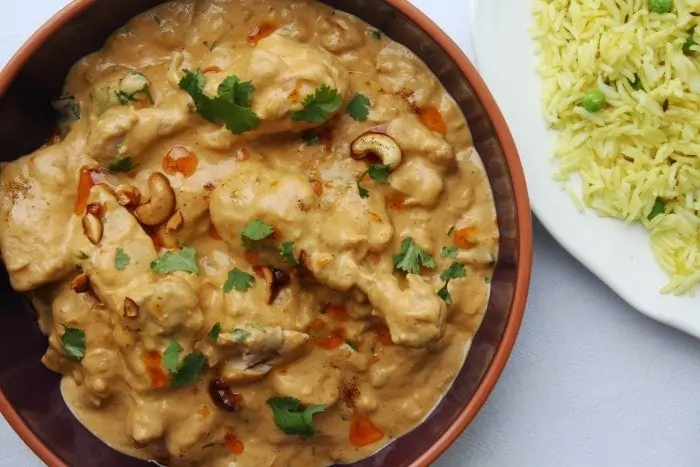
ALSO READ : Hyderabadi Chicken Korma Recipe 2026: Make Restaurant-Style Flavourful Korma in Just 20 Minutes, Perfect for Rainy Season
How the ₹370 Biryani Story Started
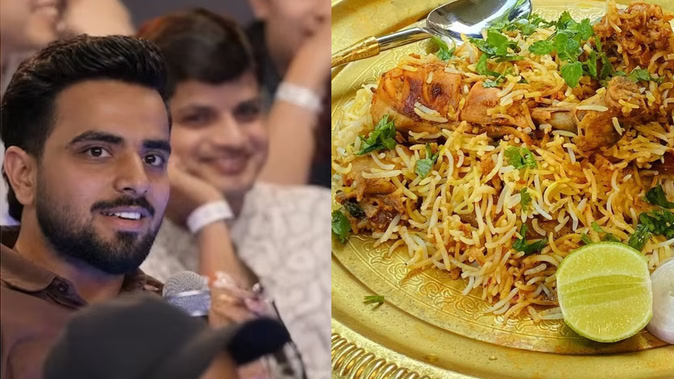
The controversy began during a live audience interaction segment at a comedy show by Indian comedian Pranit More.
During the event, a young man from Gurugram reportedly shared a personal dating experience involving a girl he had gone out with.
According to the now-viral clip, the man claimed he had taken a girl on a date and bought her ₹370 worth of chicken biryani.
However, things took a controversial turn when he later said:
“Maine ₹370 ki biryani khilayi… paise vasool nahi hua.”
In simple words, he suggested that after spending money on the girl’s meal, he felt he had not gotten “value” or “recovery” for what he spent.
The exact wording immediately caught attention online.
Many social media users interpreted the comment as implying that because he paid for food, he expected something in return from the woman — whether emotional, romantic or physical.
That single statement became the reason the internet exploded.
Why Did People Get Angry?
The biggest criticism came from people who argued that:
Paying for a meal does not create entitlement
Many users said dating should never be transactional.
The argument online quickly became:
“If someone buys food for another person, it does not mean they owe anything in return.”
Soon, phrases such as:
- “Biryani is not consent”
- “₹370 vasooli mission”
- “Paise vasool dating”
began trending online.
Thousands of people criticised the mindset behind the statement, saying relationships should not be treated like business transactions.
Why ‘₹370’ Became a Meme
One major reason the controversy spread so fast was because of the oddly specific amount.
Not ₹500. Not ₹1000.
Exactly:
₹370
Indian internet users instantly turned the number into meme material.
Social media was flooded with jokes like:
“Bro still waiting for ₹370 refund.”
“Biryani investment failed.”
“Recovery pending.”
Even brands and meme pages joined the conversation.
Soon, ₹370 itself became internet slang for failed dating expectations.
Was It Just a Joke?
Not everyone agreed with the backlash.
Some people argued:
“It was comedy.”
Supporters claimed the statement was made in a comedy environment and should not be taken too seriously.
Others said the man may have simply been joking awkwardly about a bad dating experience.
However, critics responded by saying:
“Comedy does not remove accountability.”
Many argued that jokes reflecting problematic mindsets should still be questioned.
This divide turned the controversy into a national debate.
The Bigger Issue: Modern Dating Expectations
Beyond memes, many people believe the ₹370 biryani controversy exposed something much deeper about modern dating culture.
Questions people began debating included:
- Should men always pay on dates?
- Does paying for dinner create expectations?
- Are dating expenses becoming transactional?
- What role does consent play in modern relationships?
For some, the controversy highlighted frustrations men sometimes feel after unsuccessful dates.
For others, it exposed unhealthy attitudes toward women and relationships.
Why International Audiences Are Talking About It
Interestingly, the controversy also spread outside India.
International audiences became curious because the story connects to universal dating issues that exist globally.
People abroad began discussing questions such as:
“Does buying dinner mean anything is owed?”
“Can relationships become transactional?”
“Where should boundaries be drawn?”
For many international viewers, the story was less about biryani and more about the psychology of expectations in dating.
The fact that the debate centered around chicken biryani worth ₹370 made it even more bizarre — and therefore more viral.
Did the Viral Clip Affect the Man?
According to multiple reports circulating online, the backlash became so intense that the man allegedly faced professional consequences after being identified publicly.
The controversy quickly moved beyond comedy clips and turned into a broader conversation about online accountability.
However, the internet remains divided on whether the punishment matched the situation.
Some felt the criticism was justified.
Others believed social media outrage went too far.
What Is the Main Lesson from the ₹370 Biryani Controversy?
At its heart, the viral debate became bigger than biryani.
The central message repeated by many online users was simple:
“Buying someone food does not mean they owe you anything.”
Whether someone spends ₹370 or ₹3,700 on a date, many argued that kindness, affection or personal choices cannot be demanded in return.
At the same time, others say modern dating expectations are becoming increasingly confusing and expensive — something the viral story accidentally highlighted.
Final Thoughts
The ₹370 biryani controversy may sound funny at first, but it quickly turned into one of India’s biggest internet discussions of 2026.
What started with one man saying:
“Maine ladki ko ₹370 ki biryani khilayi, paise vasool nahi hua”
soon became a nationwide conversation about dating culture, expectations, respect, accountability and consent.
In the end, the story proved one thing:
Sometimes, even a plate of biryani can start a national debate.

- Prince George Poses in Sharp Suit for Official Birthday Photo as He Turns 13: Royal Lineage, Family Ties & Growing Future King Role
- Wetherspoons Issues Fourth Profit Warning in Seven Months as Rising Operating Costs and Shift in Consumer Spending Bite
- Our Hearts Are Crushed’: Hannah Rapp’s Violent Death Sparks Outpouring of Grief Across Sports World
- Former Southern Water Employees to Face Trial Over Alleged Cover-Up in Wastewater Testing; Ex-CEO Matthew Wright Named
- HMDA Launches Major Road Widening Drive: Key Corridors Around HITEC City, PVNR Expressway & KBR Park Set for Urgent Upgrades


 By
By


![Sun Pharma’s $11.75 Billion Organon Acquisition: A New Titan in the Top 25[2026]](https://sparkchronicle.com/wp-content/uploads/2026/04/Gemini_Generated_Image_hnub3xhnub3xhnub.png)