
Author: Lucky Brothers
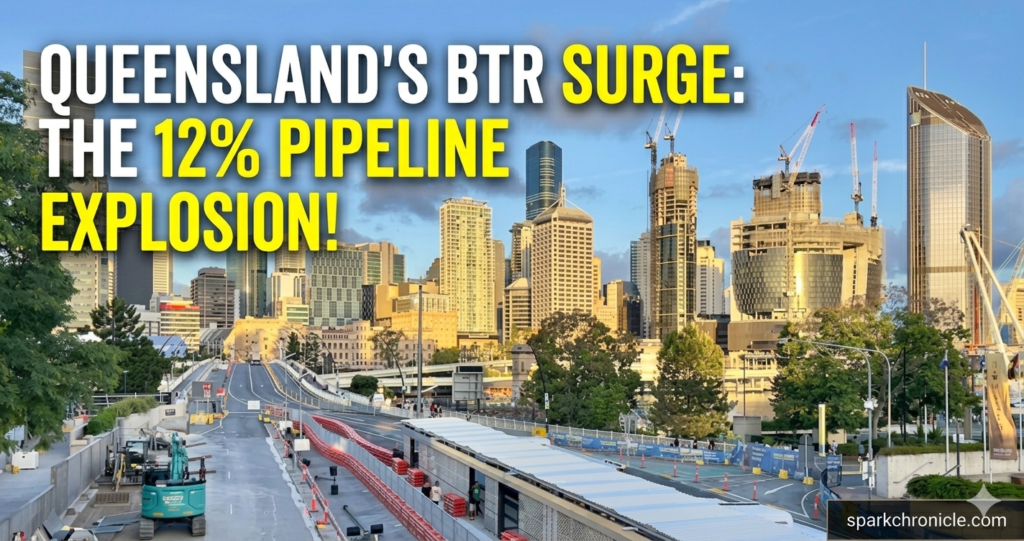
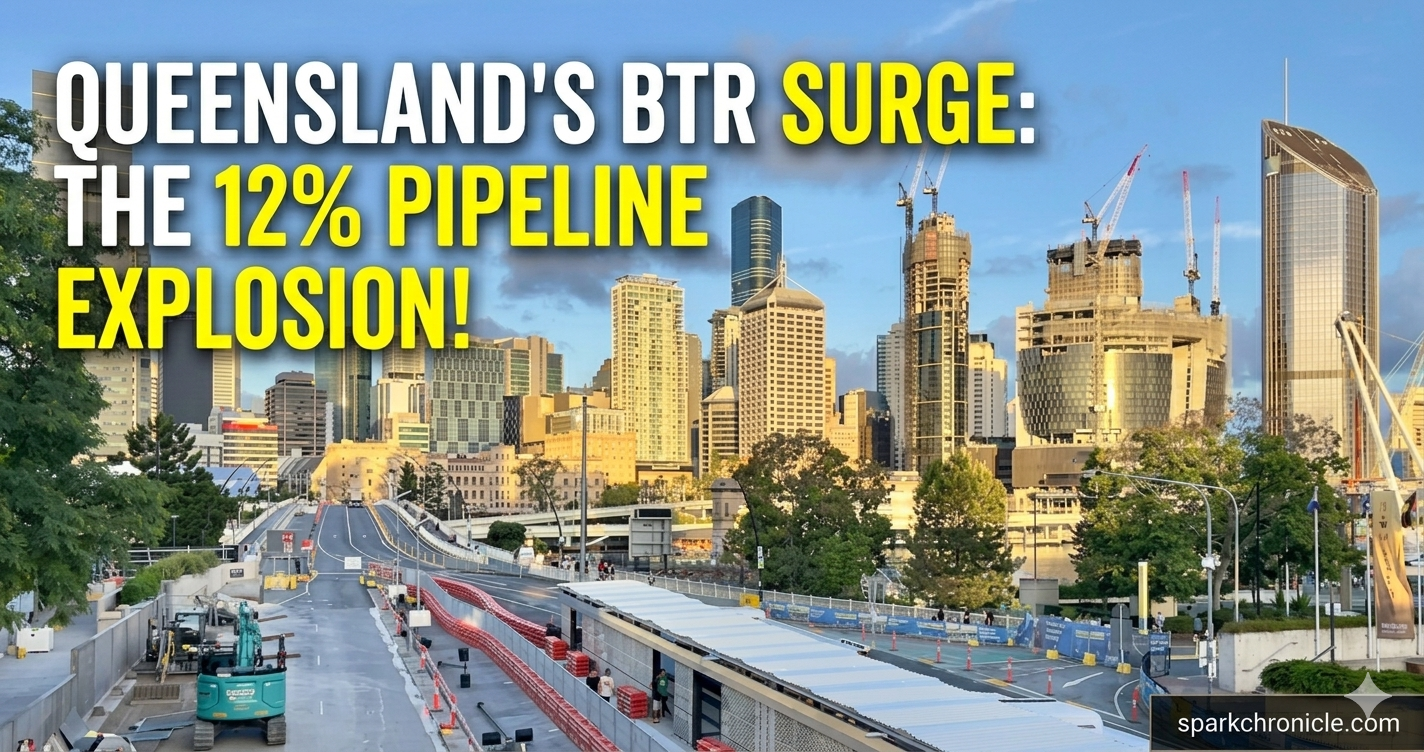
The Build to Rent (BTR) sector in Australia is undergoing a massive transformation, shifting from a niche southern experiment into a national housing powerhouse. While Victoria and New South Wales have traditionally held the crown, the spotlight is now firmly on the “Sunshine State.”
According to the latest data from The Property Council of Australia and BDO’s 2026 Build to Rent Report, Queensland now commands nearly 12% of the national BTR pipeline. This isn’t just a slight increase; it represents a fundamental change in how institutional capital views the Brisbane and Gold Coast markets.
For years, Queensland was considered a “fringe market” for Build to Rent. High construction costs and a fragmented planning system kept big investors at bay. But as we move through April 2026, the narrative has flipped. Queensland is now home to over 6,500 BTR apartments across operating, under-construction, and planned projects.
ALSO READ : Tragedy in Bowen Mountain: Two Children Killed in Horror House Fire Sydney
Why Is Queensland Exploding Now? (The Opportunity)
The surge in Queensland’s BTR pipeline is driven by a “perfect storm” of demographic and economic factors:
- The Migration Magnet: Queensland continues to outpace national averages for population growth. Whether it’s interstate “lifestyle seekers” or international migrants, the demand for high-quality rental housing has never been higher.
- The Rental Squeeze: With vacancy rates hovering around 1.1% in major hubs like the Gold Coast and Brisbane, the traditional “mom-and-pop” rental market can no longer keep up. BTR offers a scalable solution.
- Institutional Maturity: Global platforms like Greystar, Local, and HOME are no longer just looking at Sydney. They see Brisbane as a long-term, stable market with lower entry costs compared to Melbourne’s current tax-heavy environment.
The “Constraint” Reality Check
Despite the optimism, the Queensland BTR story is defined as much by its hurdles as its highlights.
- Steep Construction Costs: Building in Queensland is becoming increasingly expensive. Labor shortages and material inflation mean that projects require “tighter feasibility” and a very selective approach to site acquisition.
- Tax Friction: While there is a 50% land tax reduction for BTR projects with an affordable housing component, the absence of broader planning incentives remains a drag. Upfront transfer duties and foreign owner surcharges continue to weigh down the speed of delivery.
- Infrastructure Timing: Large-scale projects approved before April 1, 2026, benefited from a deferral of infrastructure charges, but new projects are facing higher upfront costs that must be balanced against achievable rents.
Brisbane vs. Gold Coast: A Tale of Two Hubs
The development is not spread evenly.
- Brisbane: Remains the primary target for institutional capital, focused on “middle-ring” locations where residents want a mix of professional management and lifestyle amenities.
- Gold Coast: Has evolved from a lifestyle-led market into a structural BTR opportunity. The Smith Collective (1,250+ apartments) remains Australia’s largest operational BTR community, serving as a successful “proof of concept” for the entire state.
The E-E-A-T Concept: Experience and Expert Analysis
At Lucky Brothers, we believe that the “Gold Rush” in Queensland BTR will reward precision over speed. The successful players in 2026 are those who aren’t just building towers, but creating communities. By integrating affordable housing (at least 10% of dwellings) and focusing on sustainable, “green” building features, developers are not only securing tax incentives but also attracting a loyal tenant base.
Final Thoughts from Lucky Brothers
Queensland’s 12% share of the national pipeline is a clear signal that the state has arrived on the global institutional stage. However, for this to become a 20% or 30% share, the government needs to address the “delivery gap.” A building doesn’t house anyone if it stays on a spreadsheet. To avoid more “stalled projects,” we need a bridge between high construction costs and affordable rental prices. Queensland is the future of Australian living, but only if the “constraints” are managed as well as the “opportunities.”
Frequently Asked Questions (F&Q)
- What percentage of the BTR pipeline does Queensland have?As of April 2026, Queensland accounts for nearly 12% of the total Australian Build to Rent pipeline, with over 6,500 units planned or operational.
- What are the main tax incentives for BTR in Queensland?Eligible projects can access a 50% land tax reduction and exemptions from foreign owner surcharges, provided they include an affordable housing component.
- Why are some BTR projects in Queensland stalling?High construction costs, labor shortages, and high upfront transfer duties are making it difficult for some developers to achieve financial feasibility.
- What is the “Smith Collective”?Located on the Gold Coast, it is currently Australia’s largest operational BTR community, proving the viability of large-scale, professionally managed rentals.
- What does the 2026 BDO report say about the future?The report suggests that while growth will be steady, success will depend on “disciplined site selection” and navigating the specific policy frictions of the state.

- Prince George Poses in Sharp Suit for Official Birthday Photo as He Turns 13: Royal Lineage, Family Ties & Growing Future King Role
- Wetherspoons Issues Fourth Profit Warning in Seven Months as Rising Operating Costs and Shift in Consumer Spending Bite
- Our Hearts Are Crushed’: Hannah Rapp’s Violent Death Sparks Outpouring of Grief Across Sports World
- Former Southern Water Employees to Face Trial Over Alleged Cover-Up in Wastewater Testing; Ex-CEO Matthew Wright Named
- HMDA Launches Major Road Widening Drive: Key Corridors Around HITEC City, PVNR Expressway & KBR Park Set for Urgent Upgrades


 By
By

![Sun Pharma’s $11.75 Billion Organon Acquisition: A New Titan in the Top 25[2026]](https://sparkchronicle.com/wp-content/uploads/2026/04/Gemini_Generated_Image_hnub3xhnub3xhnub.png)