
Author: Luckybrother
MUMBAI / HYDERABAD, May 7, 2026 — In a bold declaration that underlines the state’s massive growth ambitions, Telangana IT and Industries Minister Duddilla Sridhar Babu announced that the state government will double Hyderabad’s infrastructure over the next 10 years.
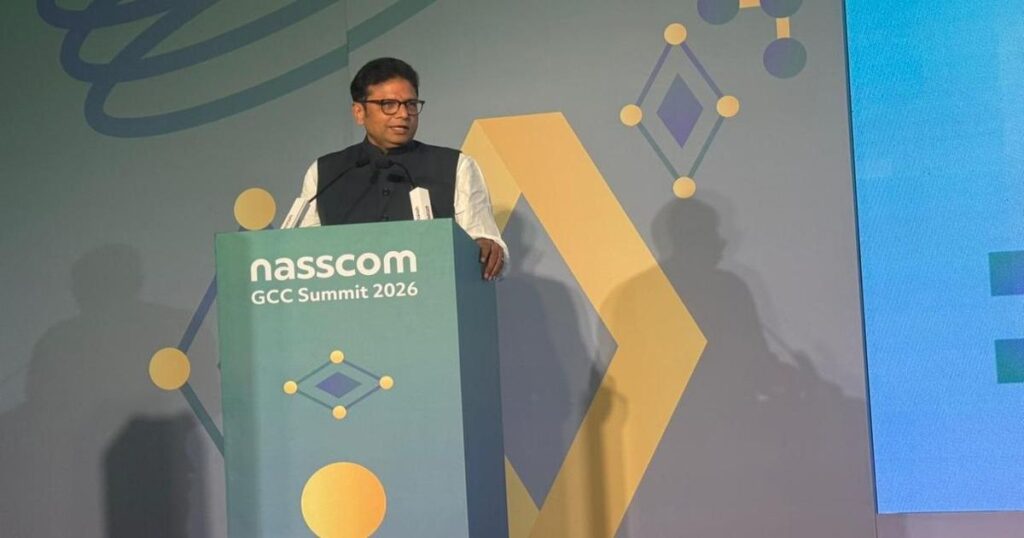
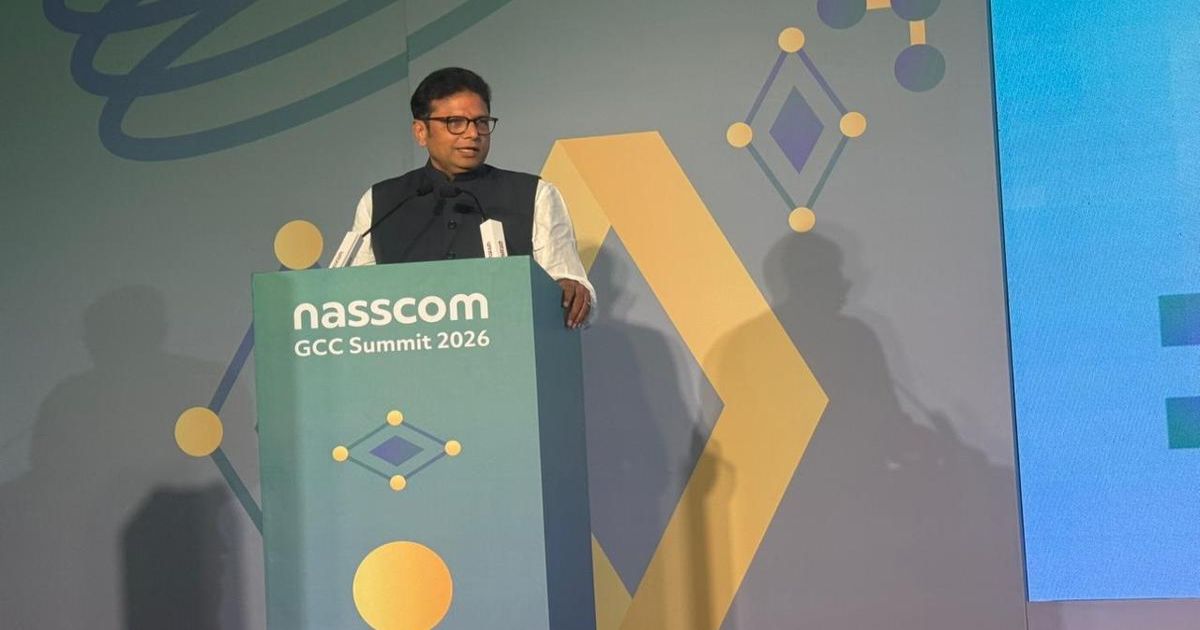
Speaking as the keynote guest at the NASSCOM GCC Summit 2026 in Mumbai on Thursday, May 7, the Minister outlined a “Powerhouse” vision to transform Hyderabad into a global titan, ensuring the city avoids the “urban collapse” currently plaguing other major metropolitan hubs struggling with unplanned expansion and congestion.
ALSO READ : Telangana Heatwave Alert: IMD Forecasts Sharp Temperature Rise by May 10
The 10-Year Blueprint: Building a Global Hub
Minister Sridhar Babu emphasized that the state is currently operating at “double-digit industrial growth,” necessitating a radical expansion of the city’s physical and digital framework. The goal is to support the state’s overarching mission to reach a $1 trillion economy by 2035.
Key Pillars of the Expansion Strategy:
- The Regional Ring Road (RRR): A massive 340-km project designed to de-congest the existing Outer Ring Road (ORR) and create a new industrial corridor.
- Metro & Airport Upgrades: Significant expansion of the Hyderabad Metro Rail to connect far-reaching suburbs and the integration of the airport with the proposed “Future City.”
- Bharat Future City & AI City: The creation of a dedicated Net-Zero urban ecosystem and a specialized AI City to anchor the world’s leading technology firms.
- Skill Development: The launch of the AIKAM Innovation Hub and Young India Skill University to ensure the workforce is ready for high-tech industrial demands.
A “Silicon Density” Like No Other
During his session, titled “Beyond Policy: Designed to Win the Global GCC Race,” the Minister highlighted that Hyderabad has become the preferred destination for Global Capability Centres (GCCs).
“Hyderabad gives you something no other city can: the ability to cross-pollinate talent,” Sridhar Babu stated.
The city currently hosts the world’s top five tech giants—Apple, Google, Microsoft, Meta, and Nvidia—alongside seven of the world’s top ten semiconductor companies. Last year alone, over 70 GCCs were established in Hyderabad, the highest in India, with a target to launch 100 more this year, potentially creating one lakh new jobs.
Preventing Urban Collapse
A major theme of the Minister’s address was the concept of “future-proofing.” He noted that while other global cities are choking under the weight of traffic and resource scarcity, Telangana is proactively engineering talent and infrastructure pipelines.
By doubling the infrastructure size, the government aims to:
- Reduce Traffic Congestion: Through the RRR and expanded metro corridors.
- Ensure Resource Sustainability: Moving toward Net-Zero urban planning.
- Decentralize Innovation: Moving beyond the Hitech City and Gachibowli core into the proposed Bharat Future City.
Frequently Asked Questions (FAQ)
1. What is the timeline for doubling Hyderabad’s infrastructure?
The Minister has set a 10-year roadmap, aiming for completion of major projects by 2036.
2. What are GCCs, and why are they important?
Global Capability Centres (GCCs) are offshore units of multinational corporations that handle specialized tasks like R&D, IT, and finance. Hyderabad’s high density of GCCs drives high-paying jobs and technological innovation.
3. What is the ‘Bharat Future City’?
It is a proposed futuristic, eco-friendly urban development project designed to act as a secondary growth hub for Hyderabad, focusing on sustainability and high-end tech industries.
4. How does the Regional Ring Road (RRR) differ from the ORR?
While the ORR circles the immediate outskirts of Hyderabad, the 340-km RRR will circle the city at a further distance, connecting major district headquarters and facilitating faster transit for heavy goods and industrial logistics.
Final Thoughts: The “Powerhouse” Decade
Minister Sridhar Babu’s announcement is a clear signal to global investors that Hyderabad is not just looking to grow—it is looking to lead. By doubling down on infrastructure, Telangana is ensuring that the city remains the “Silicon Valley of India” for decades to come.
Do you think doubling the infrastructure in 10 years is achievable, or will urban challenges prove too difficult? Share your thoughts in the comment box below!


- Prince George Poses in Sharp Suit for Official Birthday Photo as He Turns 13: Royal Lineage, Family Ties & Growing Future King Role
- Wetherspoons Issues Fourth Profit Warning in Seven Months as Rising Operating Costs and Shift in Consumer Spending Bite
- Our Hearts Are Crushed’: Hannah Rapp’s Violent Death Sparks Outpouring of Grief Across Sports World
- Former Southern Water Employees to Face Trial Over Alleged Cover-Up in Wastewater Testing; Ex-CEO Matthew Wright Named
- HMDA Launches Major Road Widening Drive: Key Corridors Around HITEC City, PVNR Expressway & KBR Park Set for Urgent Upgrades


 By
By


![Sun Pharma’s $11.75 Billion Organon Acquisition: A New Titan in the Top 25[2026]](https://sparkchronicle.com/wp-content/uploads/2026/04/Gemini_Generated_Image_hnub3xhnub3xhnub.png)