Author: Sam Khan
HYDERABAD, May 13, 2026 — In a major “Powerhouse” breakthrough for agricultural science and modern biology, researchers at the CSIR-Centre for Cellular and Molecular Biology (CCMB) in Hyderabad have discovered a fascinating natural defense mechanism in plants. The team has identified a type of “molecular glue”—sticky, liquid-like protein droplets—that plants use to physically trap and disable invading viruses.
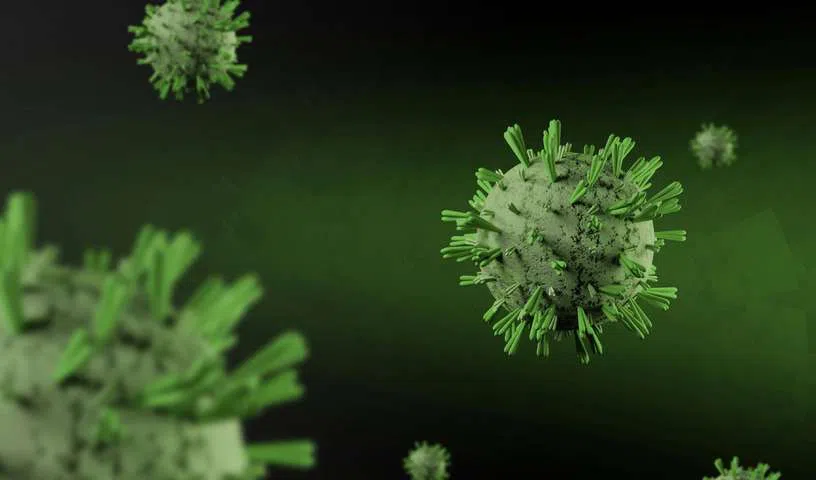
The study, published today in the prestigious Journal of the American Chemical Society (JACS), provides a first-of-its-kind look at how plants use physics and chemistry to create “sticky traps” that halt viral replication in its tracks.
ALSO READ : The Alex Batty Story: From “Kidnapped” Toddler to a Teen’s Escape from a Nomadic Life
The Discovery: Beyond the ‘Lock-and-Key’ Model
For decades, scientists believed that plant proteins fought viruses through a simple “lock-and-key” mechanism, where a specific protein would latch onto a specific part of the virus to stop it. However, the CCMB team, led by Dr. Mandar V. Deshmukh, has revealed a much more dynamic process.
Using advanced tools like Nuclear Magnetic Resonance (NMR) spectroscopy and fluorescence microscopy, the researchers found that certain plant proteins have unique “sticky patches” on their surfaces.
How the Molecular Glue Works:
- Viral Recognition: When a virus (typically carrying double-stranded RNA) infects a plant, the plant ramps up the production of specialized RNA-binding proteins.
- Sticky Patches: These proteins have strategically distributed electric charges. Positive charges on one protein attract negative charges on another.
- The Trap: Like “molecular glue,” these proteins stick together to form dense, gel-like droplets known as biomolecular condensates.
- Immobilization: These droplets surround the viral genetic material, trapping it in a “sticky mesh” that prevents the virus from interacting with the machinery it needs to replicate.
Agricultural Impact: Building Resilient Crops
Viral outbreaks in agriculture cause billions of dollars in crop losses globally every year. This discovery offers a “Powerhouse” blueprint for the future of farming.
By understanding the exact molecular structure of this “glue,” scientists can now look toward engineering crop varieties with enhanced natural immunity. Rather than relying solely on pesticides, future crops could be bred or genetically modified to produce more efficient “sticky traps,” making them naturally resilient to devastating plant viruses.
Medical Crossover: A Potential Cure for Dementia?
The implications of this Hyderabad-born research extend far beyond the farm. The “sticky” behavior of these proteins is remarkably similar to how certain proteins behave in the human brain.
- Neurodegenerative Diseases: In diseases like Alzheimer’s and Dementia, proteins “clump” together in a way that becomes toxic to brain cells.
- The Breakthrough: Dr. Deshmukh noted that understanding how to manipulate these sticky patches could lead to new drugs that dissolve harmful protein clumps in humans or even dismantle the protective liquid barriers that surround growing tumors.
The “Powerhouse” Team Behind the Research
The study was a collaborative effort at CCMB Hyderabad, with Dr. Jaydeep Paul serving as the first author. The findings represent a shift in how we view the “living cell”—not as a collection of static parts, but as a dynamic environment where “membraneless structures” form and dissolve like oil droplets in water.
Frequently Asked Questions (FAQ)
1. What is “Molecular Glue” in this context?
It refers to RNA-binding proteins in plants that use electrical charges to stick together, forming gel-like droplets (biomolecular condensates) that trap viral RNA.
2. Which lab conducted this research?
The research was conducted at the CSIR-Centre for Cellular and Molecular Biology (CCMB) located in Habsiguda, Hyderabad.
3. Does this mean we can stop all plant viruses?
While it doesn’t stop them instantly, it provides the “molecular map” to help scientists breed plants that are much better at defending themselves naturally.
4. How does this help human health?
The same “stickiness” that traps viruses in plants is responsible for protein clumping in human diseases like Dementia. Learning to control this stickiness could lead to new treatments for neurodegenerative conditions.
Final Thoughts: Innovation from the City of Pearls
Hyderabad continues to solidify its reputation as a global “Powerhouse” for life sciences. From vaccine manufacturing to this latest discovery in molecular biology, the city’s scientists are at the forefront of solving some of the world’s most complex challenges. This “molecular glue” might just be the bond that holds the future of food security and medicine together.
Do you think natural “protein traps” are a better solution for crops than chemical pesticides? Share your thoughts on this scientific breakthrough in the comment box below!


- Prince George Poses in Sharp Suit for Official Birthday Photo as He Turns 13: Royal Lineage, Family Ties & Growing Future King Role
- Wetherspoons Issues Fourth Profit Warning in Seven Months as Rising Operating Costs and Shift in Consumer Spending Bite
- Our Hearts Are Crushed’: Hannah Rapp’s Violent Death Sparks Outpouring of Grief Across Sports World
- Former Southern Water Employees to Face Trial Over Alleged Cover-Up in Wastewater Testing; Ex-CEO Matthew Wright Named
- HMDA Launches Major Road Widening Drive: Key Corridors Around HITEC City, PVNR Expressway & KBR Park Set for Urgent Upgrades


 By
By



![Sun Pharma’s $11.75 Billion Organon Acquisition: A New Titan in the Top 25[2026]](https://sparkchronicle.com/wp-content/uploads/2026/04/Gemini_Generated_Image_hnub3xhnub3xhnub.png)