
Author: Lucky Brothers
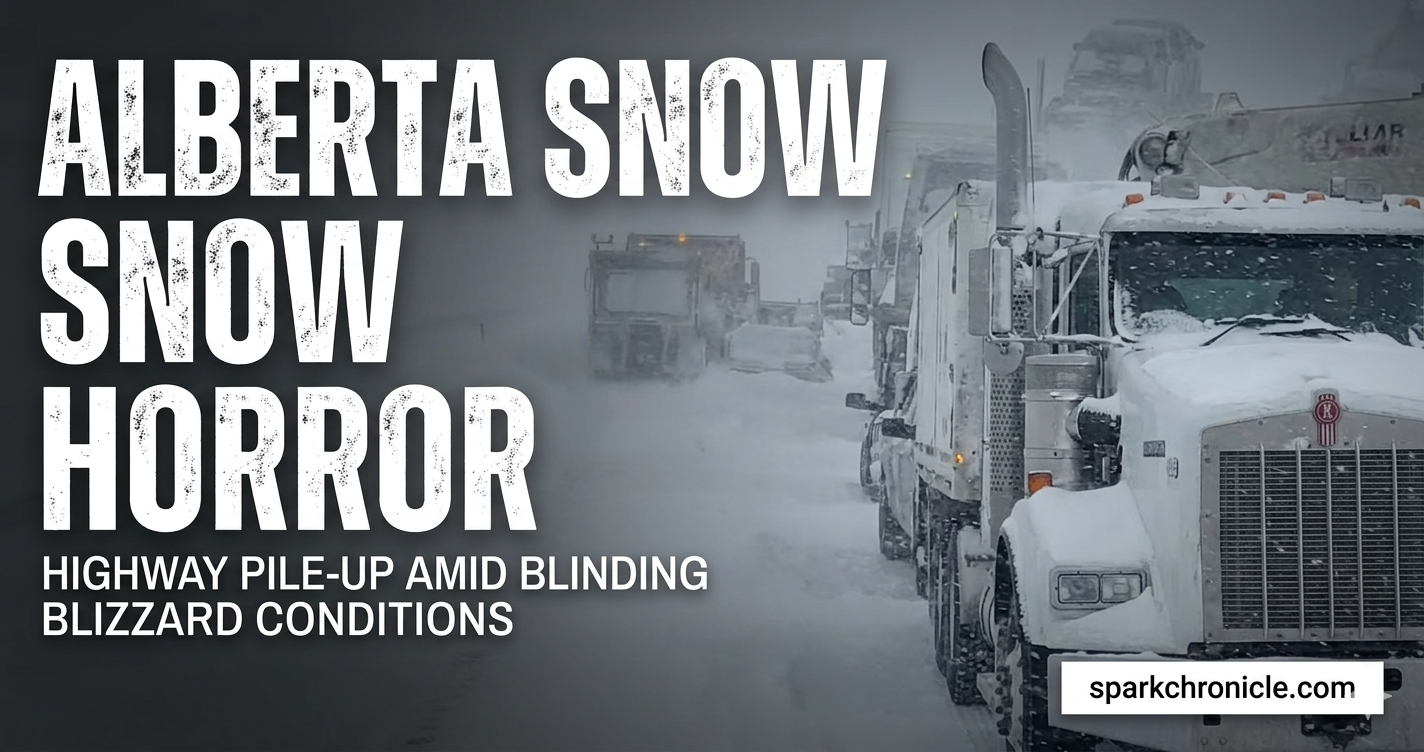
Alberta’s notoriously unpredictable spring weather has struck again, turning a routine April week into a survival situation for hundreds of motorists. A severe spring snowstorm characterized by rapid whiteout conditions and heavy accumulation forced the closure of several key northern highways, leaving approximately 300 vehicles stranded in the frigid cold for up to 15 hours.
As per the reports, the hardest-hit areas were Highways 63 and 881, the primary lifelines connecting Fort McMurray to the rest of the province. What began as a gusty Thursday evening quickly escalated into a full-blown emergency as snowdrifts reaching two to three feet made the asphalt impassable, trapping families, truck drivers, and commuters in their vehicles overnight.
ALSO READ

| Miracle in Cook Strait: Person Rescued After Going Overboard from Bluebridge Ferry |
| Auckland Airport Recovers After Mid-Air Emergency Diverts Multiple Flights |
A Night in the Deep Freeze
According to the sources, the storm brought a combination of heavy snowfall (up to a foot in some areas) and high winds that created total whiteout conditions. From our perspective, the situation was made even more dangerous by the timing: many Albertans had already switched to their summer tires, believing the winter season was behind them.
- The Scale: A flyover conducted by authorities on Friday morning identified two major pockets of congestion where roughly 300 vehicles were buried in snow.
- The Struggle: Motorists reported running their engines for only 15 minutes every three hours to conserve fuel, while others used makeshift blankets from their luggage to stay warm.
- The “Powerhouse” Response: In my opinion, the true heroes were the local volunteers and community members. As per the sources, groups from nearby towns braved the storm to deliver fuel, water, and even hot pizza to those stuck in the drifts.
The Rescue and Recovery Effort
As per the reports, the RCMP, alongside municipal resources from Lac La Biche, Athabasca, and the Regional Municipality of Wood Buffalo, launched a massive recovery operation. Snowplows and heavy wreckers worked around the clock, but their efforts were frequently hampered by abandoned vehicles and jackknifed semis blocking the lanes.
According to the latest official updates, buses were eventually dispatched to evacuate those whose vehicles could not be moved. By 3:00 PM Saturday, authorities confirmed that the highways had finally been cleared and reopened in all directions. Thankfully, despite the severity of the conditions, no fatalities or serious injuries were reported.
F.A.Q: The Alberta Snowstorm Emergency
1. Why did the highways stay closed for so long? As per the reports, it wasn’t just the snow; it was the visibility and the drifts. The snow was falling so fast that plows couldn’t keep the roads clear, and tow truck operators were forced to wait until it was safe to reach the hundreds of stuck vehicles.
2. Which highways are now open? According to the sources, Highways 63 and 881 are now fully operational. However, the RCMP continues to advise that travel should only be undertaken if absolutely necessary, as lingering icy patches remain.
3. What should I do if I get stranded in a snowstorm? The “Powerhouse” rule is to stay with your vehicle. In my opinion, your car is your best shelter. As per the sources, keep your exhaust pipe clear of snow to prevent carbon monoxide poisoning and only run the heater intermittently.
4. Will there be more snow this week? According to the long-range outlook, the worst of the storm has passed. Forecasters expect a significant warming trend next week, with temperatures potentially reaching the high teens, which brings a new concern: potential flooding from the rapid snowmelt.
5. Was there an emergency alert issued? Yes. Local emergency alerts were issued for northeastern Alberta during the peak of the storm, advising all motorists to seek immediate shelter and stay off the roads.
Final Thoughts
This storm is a stark reminder that in Alberta, winter doesn’t leave without a fight. From our perspective, the resilience of the local community—the volunteers who shared their food and fuel—is what kept a “horror” story from becoming a tragedy. As the snow melts away this week, the focus shifts from survival to cleanup. If you’re traveling north this week, keep your winter kit in the trunk—it might just save your life.


 By
By




![Sun Pharma’s $11.75 Billion Organon Acquisition: A New Titan in the Top 25[2026]](https://sparkchronicle.com/wp-content/uploads/2026/04/Gemini_Generated_Image_hnub3xhnub3xhnub.png)