Japan has launched a new facility to raise awareness about marine plastic waste, educating people about ocean pollution, recycling and environmental protection.
By SparkChronicle Team
Published: June 11, 2026
Japan has taken a major step in tackling ocean pollution after a local government launched a new facility aimed at raising awareness about the growing problem of marine plastic waste.
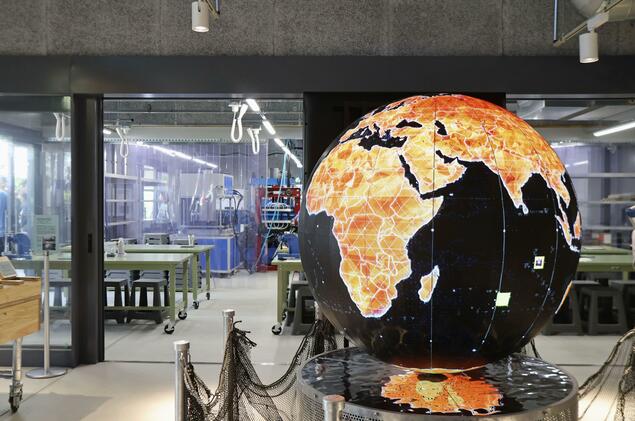
The newly opened centre is designed to educate residents, tourists and students about the harmful effects of plastic pollution on oceans, marine life and coastal environments. Officials hope the initiative will encourage more sustainable habits and inspire communities to reduce plastic waste before it reaches the sea.
As environmental concerns continue growing worldwide, Japan’s latest effort highlights how governments are increasingly focusing on long-term solutions to protect marine ecosystems.
ALSO READ : So Lovely’ Summer Dress Has Shoppers Buying Two as Customers Call It ‘Easy to Wear
What Is Marine Plastic Waste?
Marine plastic waste refers to plastic garbage that enters oceans, rivers and coastal waters.
This includes everyday items such as:
- Plastic bottles
- Food wrappers
- Shopping bags
- Fishing nets
- Plastic containers
- Tiny plastic particles known as microplastics
Over time, these materials travel through waterways and eventually end up in oceans, where they can remain for decades or even centuries without fully breaking down.
Experts warn that plastic pollution has become one of the world’s biggest environmental challenges.
Why Did Japan Open This Facility?
According to local officials, the purpose of the new centre is simple:
To help people understand the real impact of plastic pollution
Instead of only reading about pollution online or in books, visitors can now physically see examples of waste collected from beaches and coastal areas.
The facility aims to:
1. Educate the Public
Visitors can learn how plastic enters oceans and harms ecosystems.
2. Encourage Recycling
Authorities hope to promote better waste management and recycling habits.
3. Raise Awareness Among Young People
Schools and families are expected to use the centre for educational trips.
4. Promote Environmental Responsibility
Officials want communities to reduce single-use plastics and become more environmentally conscious.
The goal is not only education but also changing long-term public behaviour.
Why Marine Plastic Waste Is a Serious Problem
Many people assume plastic simply disappears after being thrown away.
In reality, plastic can remain in the environment for hundreds of years.
Once in oceans, it creates multiple dangers.
Threat to Marine Animals
Fish, sea turtles, whales and seabirds often mistake floating plastic for food.
Animals may accidentally swallow:
- Bottle caps
- Plastic fragments
- Fishing line
- Packaging waste
This can lead to injury, starvation or death.
In many cases, animals also become trapped in discarded fishing equipment or plastic debris.
Microplastic Pollution
One of the biggest concerns today is microplastics.
These are tiny plastic particles formed when larger plastics slowly break down.
Microplastics are now being found in:
- Ocean water
- Fish and seafood
- Drinking water
- Soil
Scientists worry these particles may eventually affect human health through food consumption.
Why This Matters So Much for Japan
Japan is surrounded by ocean and heavily depends on marine industries.
The country relies on:
Fishing Industry
Seafood plays a major role in Japanese food culture and economy.
Tourism
Clean beaches and coastal regions attract millions of visitors.
Marine Biodiversity
Japan’s surrounding waters support important ecosystems.
If ocean pollution worsens, it could affect fisheries, wildlife populations and coastal communities.
That is one reason Japanese authorities are investing more resources into environmental awareness.
What Visitors Can Expect at the Facility
While details vary depending on exhibitions, environmental facilities like this often include:
Interactive Displays
Visitors can see examples of ocean waste and how it damages ecosystems.
Educational Programs
Children and students can learn about recycling and sustainability.
Real Plastic Collections
Some displays feature waste collected directly from coastlines.
Environmental Workshops
People may learn practical ways to reduce plastic use at home.
Officials hope seeing real pollution examples will have a stronger impact than simply hearing statistics.
Global Concern Over Plastic Pollution
Japan’s initiative comes as countries worldwide struggle with plastic waste.
Environmental organizations estimate that millions of tons of plastic enter oceans every year, threatening marine ecosystems globally.
Many governments are now introducing:
- Plastic reduction policies
- Recycling programs
- Eco-friendly packaging laws
- Awareness campaigns
Several nations are also encouraging reusable alternatives to single-use plastics.
What Can Ordinary People Do?
Experts say solving marine plastic pollution does not depend only on governments.
Simple everyday habits can also make a difference.
Use Reusable Bottles
Avoid single-use plastic bottles.
Carry Reusable Bags
Reduce shopping bag waste.
Recycle Properly
Separate plastic waste correctly.
Avoid Excess Packaging
Choose products with less plastic.
Even small changes, when adopted by millions of people, can reduce pollution significantly.
Final Thoughts
Japan’s new marine plastic awareness facility represents more than just an educational centre — it reflects growing concern over one of the planet’s biggest environmental threats.
By helping people understand how plastic waste damages oceans and marine life, authorities hope to encourage lasting behavioural changes.
As plastic pollution continues affecting ecosystems worldwide, initiatives like this may play an important role in protecting oceans for future generations.
In simple terms, Japan’s message is clear:
Protect the ocean before the damage becomes irreversible.


- Prince George Poses in Sharp Suit for Official Birthday Photo as He Turns 13: Royal Lineage, Family Ties & Growing Future King Role
- Wetherspoons Issues Fourth Profit Warning in Seven Months as Rising Operating Costs and Shift in Consumer Spending Bite
- Our Hearts Are Crushed’: Hannah Rapp’s Violent Death Sparks Outpouring of Grief Across Sports World
- Former Southern Water Employees to Face Trial Over Alleged Cover-Up in Wastewater Testing; Ex-CEO Matthew Wright Named
- HMDA Launches Major Road Widening Drive: Key Corridors Around HITEC City, PVNR Expressway & KBR Park Set for Urgent Upgrades


 By
By



![Sun Pharma’s $11.75 Billion Organon Acquisition: A New Titan in the Top 25[2026]](https://sparkchronicle.com/wp-content/uploads/2026/04/Gemini_Generated_Image_hnub3xhnub3xhnub.png)