KOREA : New data shows women account for only 14% of senior-level government positions in South Korea, highlighting gender imbalance in leadership roles.
By SparkChronicle Team
Published: June 11, 2026
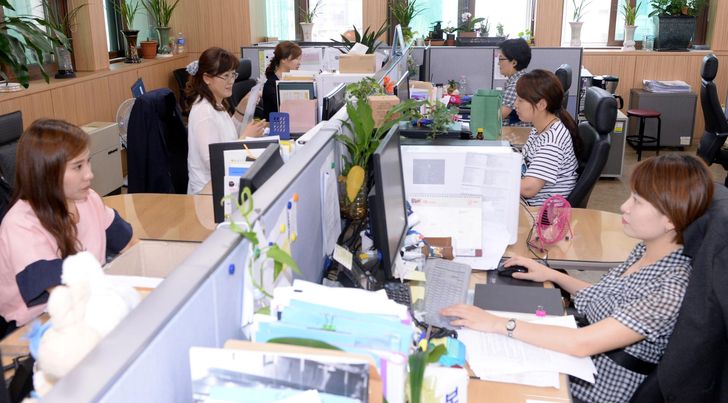
Women continue to remain significantly underrepresented in South Korea’s top government leadership roles, with new official data showing they account for only 14% of senior-level positions across government institutions.
The latest figures have once again highlighted concerns about gender imbalance in public administration, despite years of efforts aimed at increasing female representation in leadership and decision-making roles.
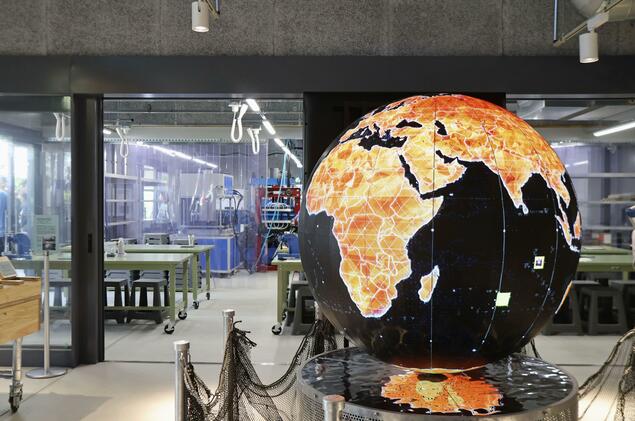
ALSO READ : Japan Launches New Facility to Highlight Growing Marine Plastic Waste Crisis
While South Korea has made progress in women’s education and workforce participation, experts say advancement into senior government posts continues to lag behind expectations.
What Does the New Data Show?
According to recently released government statistics, women currently occupy only around 14% of senior-level positions in South Korea’s public sector.
Senior-level roles generally include:
- High-ranking ministry officials
- Senior administrative leadership posts
- Policy decision-makers
- Executive government positions
This means men continue to overwhelmingly dominate the country’s highest government offices.
The figures have renewed public discussion about workplace equality and the challenges women continue facing in reaching top leadership roles.
Why Is the Number So Low?
Experts point to several factors contributing to the gap.
1. Traditional Workplace Culture
South Korea has long faced criticism for having a workplace culture where senior leadership positions are often male-dominated.
In many industries, women still encounter career barriers linked to expectations around family responsibilities and workplace hierarchy.
2. Career Breaks and Family Pressure
Many women experience career interruptions after marriage or childbirth, which can affect promotion opportunities later.
This issue has frequently been cited as one of the major reasons fewer women reach executive-level positions.
3. Slow Leadership Promotion Systems
Promotion into senior government positions often takes decades of service.
Because men historically dominated government employment, leadership pipelines continue to reflect older workforce patterns.
How Does South Korea Compare Globally?
Compared to some Western countries, South Korea continues to lag behind in female representation within leadership positions.
Several countries have increased women’s participation in government through:
- Gender diversity initiatives
- Leadership development programs
- Equal opportunity policies
However, supporters of reform argue South Korea still has significant work to do to close the gap.
At the same time, some analysts say progress is happening gradually, particularly among younger generations entering public service.
Government Efforts to Improve Representation
Over the years, South Korean authorities have introduced measures aimed at improving gender balance.
These include:
Recruitment Targets
Encouraging more women to join public service.
Leadership Development Programs
Supporting female employees for management roles.
Gender Equality Policies
Reducing workplace discrimination and barriers.
However, critics argue improvements remain slower than expected.
Some advocacy groups believe stronger policies may be needed to increase female representation at the highest levels of government.
Why Representation Matters
Experts say diversity in leadership can influence:
Policy Decisions
Different perspectives may shape more inclusive policies.
Workplace Equality
Visible female leaders may encourage more women to pursue long-term careers.
Public Trust
Balanced representation may better reflect society.
Supporters argue leadership should reflect the population more fairly rather than remaining heavily concentrated among one group.
Public Debate Continues
The latest figures have sparked fresh conversations online and among policy experts.
Some people argue progress should happen naturally based on qualifications and experience.
Others believe stronger intervention is necessary to address long-standing structural barriers that continue limiting women’s advancement.
The issue remains politically and socially sensitive in South Korea, where gender equality debates have increasingly become part of broader public discussions.
Final Thoughts
The latest data showing women account for only 14% of senior government positions in South Korea highlights the continuing challenges around gender representation in leadership.
Although progress has been made over time, women remain significantly underrepresented in many top decision-making roles.
As conversations about workplace equality continue growing, pressure is likely to increase for faster reforms aimed at creating more balanced leadership opportunities in the years ahead.

- Prince George Poses in Sharp Suit for Official Birthday Photo as He Turns 13: Royal Lineage, Family Ties & Growing Future King Role
- Wetherspoons Issues Fourth Profit Warning in Seven Months as Rising Operating Costs and Shift in Consumer Spending Bite
- Our Hearts Are Crushed’: Hannah Rapp’s Violent Death Sparks Outpouring of Grief Across Sports World
- Former Southern Water Employees to Face Trial Over Alleged Cover-Up in Wastewater Testing; Ex-CEO Matthew Wright Named
- HMDA Launches Major Road Widening Drive: Key Corridors Around HITEC City, PVNR Expressway & KBR Park Set for Urgent Upgrades

 By
By
 cobetonline says:

![Sun Pharma’s $11.75 Billion Organon Acquisition: A New Titan in the Top 25[2026]](https://sparkchronicle.com/wp-content/uploads/2026/04/Gemini_Generated_Image_hnub3xhnub3xhnub.png)