In the rural outskirts and even some suburban residential areas of Japan, a strange, mechanical howl is becoming a common sound of the night. As the country faces a record-breaking surge in brown bear and Asiatic black bear sightings—some resulting in tragic fatalities—local governments have turned to a peculiar but effective technological solution: the Robot Wolf.
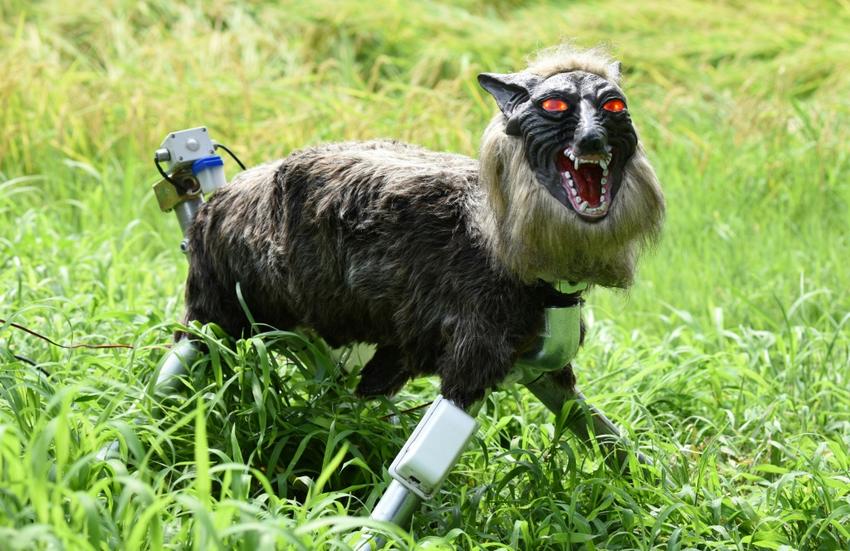
Officially known as the “Monster Wolf,” these mechanical guardians are in high demand across the northern island of Hokkaido and the main island of Honshu. Here is a verified report on how these robots work, why they are needed, and the specific benefits they bring to human-wildlife conflict management.
ALSO READ : Is Shehnaaz Gill Dating RCB Star Devdutt Padikkal? The Truth Behind the Viral Raipur Stadium Videos
The Surge in Bear Encounters
The demand for robot wolves is driven by necessity. Japan has seen a significant increase in bear-human encounters over the last few years. Experts cite several reasons for this trend:
- Depopulation of Rural Areas: As villages age and shrink, former farmland is returning to wilderness, creating a “corridor” for bears to move closer to cities.
- Acorn Shortages: Climate change has affected the production of acorns and nuts, the bears’ primary food source, forcing them into residential areas to scavenge.
- Behavioral Shifts: Younger bears are losing their instinctive fear of humans as they find easy food sources in garbage bins and crops.
How the “Monster Wolf” Works
Developed by the firm Ohta Seiki in collaboration with Hokkaido University and Tokyo University of Agriculture, the robot is far more than a simple scarecrow. It is a sophisticated piece of deterrent engineering.
- Motion Sensors: The robot is equipped with infrared sensors that detect movement within a wide radius.
- Visual Deterrents: When triggered, the wolf’s eyes glow a piercing LED red. Its head swings from side to side to simulate a living predator.
- Acoustic Warfare: The most effective feature is its sound library. It doesn’t just howl; it can emit over 60 different sounds, including human voices, gunshot noises, and the sounds of hounds barking. This variety prevents the bears from becoming “habituated” (getting used to the noise).
- Terrifying Aesthetic: Standing on four legs with a fleece-covered body and bared fangs, it is designed to trigger the primal flight response of a bear.
Key Benefits of Using Robot Wolves
The adoption of these machines offers several advantages over traditional methods like hunting or electric fencing.
1. Non-Lethal Deterrence
The primary benefit is that it keeps both humans and bears safe without the need for culling. In Japan, there is a growing ethical push to manage wildlife populations humanely. The robot wolf acts as a “border guard,” teaching bears that human settlements are noisy, frightening, and stressful places to avoid.
2. Prevention of Habituation
Animals are remarkably smart. If a scarecrow stays in one place and makes the same noise, a bear will eventually realize it isn’t a threat. Because the Monster Wolf rotates through dozens of sounds and moves its head, bears remain uncertain and wary, making the deterrence effective over long periods.
3. Cost-Effectiveness for Small Municipalities
Hiring professional hunters or maintaining 24/7 patrols is expensive and difficult given Japan’s aging workforce. A robot wolf is a one-time investment (costing roughly ¥500,000 or $3,500) that can work through the night in all weather conditions without needing a salary or sleep.
4. Protecting Agriculture and Infrastructure
Bears cause millions of yen in damage to crops like corn and fruit trees. Placing these robots at the edge of farmland has shown a significant drop in crop raiding. They are also being used near bus stops and schools to ensure children can wait for transport without the threat of a wandering bear.
Current Deployment and Success Rates
Since their initial trial in the town of Takikawa in 2020, over 100 units have been deployed across Japan. Towns that have installed the wolves report a near-zero rate of bear sightings in the immediate vicinity of the robots.
In Oiwake, Hokkaido, local officials noted that before the wolf, bears were seen multiple times a week near residential clusters. After the installation, sightings in that specific zone ceased entirely.
The Verdict
The “Monster Wolf” might look like something out of a horror movie, but it represents a successful marriage of traditional wildlife knowledge and modern robotics. As Japan continues to navigate the challenges of a shrinking human footprint and an expanding wilderness, these mechanical sentinels are proving to be an essential tool for peaceful coexistence.
Do you think this technology could be adapted for other animals, like tigers or elephants in India, or is it specific to the behavior of bears?
- Prince George Poses in Sharp Suit for Official Birthday Photo as He Turns 13: Royal Lineage, Family Ties & Growing Future King Role
- Wetherspoons Issues Fourth Profit Warning in Seven Months as Rising Operating Costs and Shift in Consumer Spending Bite
- Our Hearts Are Crushed’: Hannah Rapp’s Violent Death Sparks Outpouring of Grief Across Sports World
- Former Southern Water Employees to Face Trial Over Alleged Cover-Up in Wastewater Testing; Ex-CEO Matthew Wright Named
- HMDA Launches Major Road Widening Drive: Key Corridors Around HITEC City, PVNR Expressway & KBR Park Set for Urgent Upgrades




 By
By




![Sun Pharma’s $11.75 Billion Organon Acquisition: A New Titan in the Top 25[2026]](https://sparkchronicle.com/wp-content/uploads/2026/04/Gemini_Generated_Image_hnub3xhnub3xhnub.png)