
Author: Luckybrother
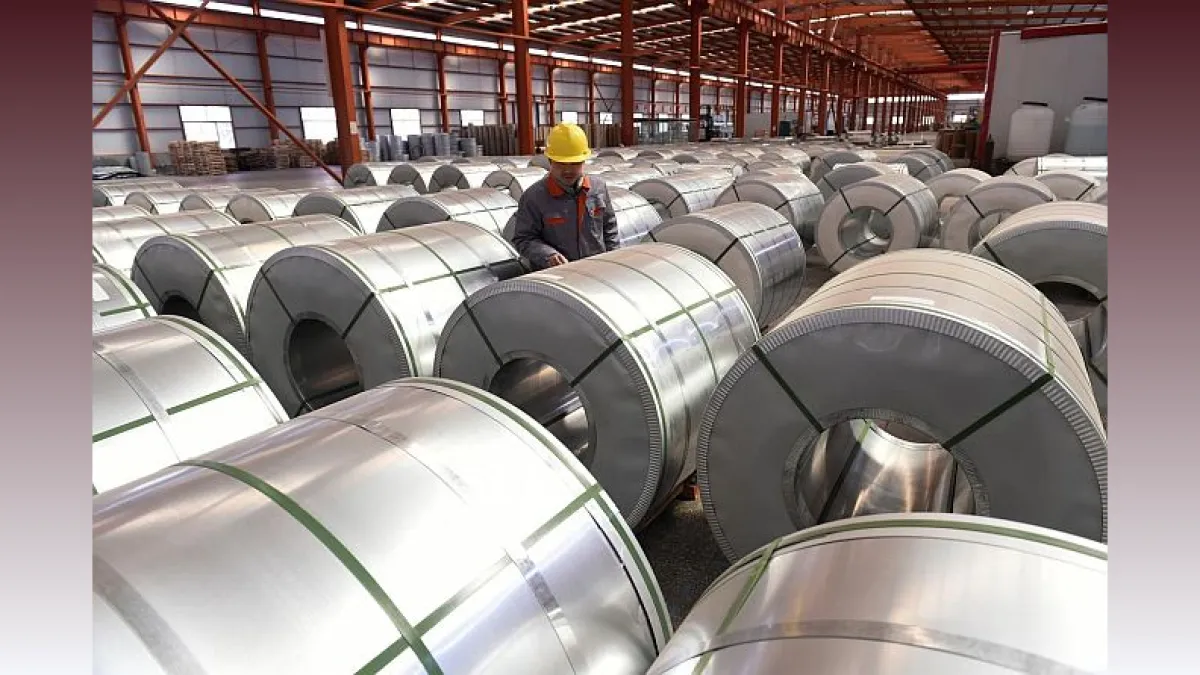
HYDERABAD, May 11, 2026 — The metals market is witnessing a “Powerhouse” rally as Aluminium futures on the Multi Commodity Exchange (MCX) surged to ₹371.50 per kg during today’s trading session. This marks a significant upward trend for the month of May, driven by a combination of global supply constraints and a surge in demand from the green energy and electric vehicle (EV) sectors.
While the price has flirted with the ₹371.50 level, real-time data from today’s closing shows even stronger momentum, with some contracts peaking near ₹374.70. This price action reflects a broader shift in the industrial landscape as aluminium becomes the “metal of the future.”
ALSO READ : Mission Divyastra: India Successfully Flight-Tests Advanced MIRV-Equipped Agni-5 Missile
Why are Aluminium Prices Increasing?
Several “Powerhouse” factors are converging to push prices to these multi-year highs:
- Supply Chain Tensions: International sanctions on major producers (particularly Russian supplies) have rattled the London Metal Exchange (LME), which sets the global benchmark.
- The EV Revolution: Electric vehicles use significantly more aluminium than traditional cars to offset battery weight. Modern EVs now incorporate between 150–300 lbs of aluminium for structural integrity and heat management.
- Green Energy Demand: The rapid expansion of solar power—where aluminium is essential for panel frames and mounting structures—has led to demand outstripping the current global supply.
- Energy Costs: Producing aluminium is a power-intensive process. Rising electricity costs globally are being directly passed on to the final price of the metal.
Advantages and Disadvantages of High Prices
The rise to ₹371.50+ creates a ripple effect across the economy, offering wins for some and challenges for others.
Advantages (The Winners)
- Producers & Miners: Companies like NALCO, Vedanta, and Hindalco see a direct boost to their profit margins. Higher “Powerhouse” prices translate to better quarterly earnings and increased stock value.
- Recycling Industry: When raw aluminium is expensive, the scrap market booms. This incentivizes the “Circular Economy,” making aluminium recycling more financially viable and environmentally friendly.
- Investors: Commodity traders and those holding aluminium-linked assets or ETFs benefit from the price appreciation and capital gains.
Disadvantages (The Challenges)
- Automotive & Aerospace: Manufacturers face higher production costs. Since aluminium is vital for “lightweighting” vehicles and aircraft, these costs are often passed on to consumers, making cars and flights more expensive.
- Construction & Packaging: From window frames to beverage cans, the cost of everyday items rises. This contributes to general inflation, affecting the average Hyderabadi’s pocket.
- Small-Scale Manufacturers: SMEs that rely on aluminium as a raw material may struggle with “Working Capital” as the cost of inventory spikes, potentially leading to production slowdowns.
MCX Performance Data (May 11, 2026)
| Metric | Details |
| Current Price (Futures) | ₹371.50 – ₹374.65 |
| Day’s Range | ₹370.95 – ₹374.70 |
| Trend | Long Build-up (Bullish) |
| Volume | High (indicating strong market interest) |
Frequently Asked Questions (FAQ)
1. Is it a good time to buy Aluminium stocks?
With prices at a “Powerhouse” high, producers are in a strong position. However, investors should watch for potential “price corrections” if global supply increases or interest rates rise.
2. How does this affect my daily life?
You might notice slight price increases in electronics, kitchen utensils, and even the cost of home renovations involving aluminium fittings or wiring.
3. Will prices go down soon?
Analysts suggest that while short-term volatility is expected, the long-term trend remains positive due to the “Net-Zero” transition and the structural demand from the EV and Solar sectors.
4. Why is aluminium called “The Workhorse Metal”?
Because of its versatility—it is lightweight, corrosion-resistant, and highly conductive, making it indispensable for modern industry.
Final Thoughts: Navigating the Surge
The jump to ₹371.50 is more than just a number on a screen; it’s a reflection of our changing world. As we move toward a greener, more electric future, the demand for aluminium is only set to grow. For business owners and investors, staying ahead of these “Powerhouse” trends is key to navigating the 2026 economy.
Do you think the government should intervene to stabilize metal prices, or should the market decide? Share your thoughts in the comment box below!


- Prince George Poses in Sharp Suit for Official Birthday Photo as He Turns 13: Royal Lineage, Family Ties & Growing Future King Role
- Wetherspoons Issues Fourth Profit Warning in Seven Months as Rising Operating Costs and Shift in Consumer Spending Bite
- Our Hearts Are Crushed’: Hannah Rapp’s Violent Death Sparks Outpouring of Grief Across Sports World
- Former Southern Water Employees to Face Trial Over Alleged Cover-Up in Wastewater Testing; Ex-CEO Matthew Wright Named
- HMDA Launches Major Road Widening Drive: Key Corridors Around HITEC City, PVNR Expressway & KBR Park Set for Urgent Upgrades


 By
By




![Sun Pharma’s $11.75 Billion Organon Acquisition: A New Titan in the Top 25[2026]](https://sparkchronicle.com/wp-content/uploads/2026/04/Gemini_Generated_Image_hnub3xhnub3xhnub.png)