

Author: Sam Khan
New Zealand is once again facing disruptive weather conditions as thick fog returned to Auckland Airport, causing travel delays and reduced visibility, while forecasters warn that parts of the South Island are preparing for heavy rain, strong winds, and possible flooding risks.

The contrasting weather patterns highlight the country’s highly active winter system, with aviation disruption in the north and potentially severe storm impacts developing in the south.
Auckland Airport Hit by Dense Fog Again
Auckland Airport experienced low visibility conditions due to persistent fog formation, leading to operational delays and possible flight disruptions during peak travel hours.
Fog at Auckland is a recurring winter-weather challenge, often forming during high humidity, calm winds, and rapid overnight cooling, which reduces visibility to dangerous levels for aircraft movement.
Authorities and airline operators typically respond with:
- Flight delays and cancellations
- Reduced runway movement capacity
- Ground holding patterns for arriving aircraft
- Temporary suspension of low-visibility operations
While fog events are usually short-lived, they can significantly impact domestic and international travel schedules across New Zealand’s busiest airport.
ALSO READ : India Beat Afghanistan in 1st ODI: Shubman Gill’s Masterclass and Debut Bowlers Shine in Dominant Win
South Island Braces for Heavy Rain and Strong Winds
At the same time, meteorological forecasts indicate that a strong weather system is moving across the country, bringing heavy rainfall and wind warnings for parts of the South Island.
Forecasters warn that the system could produce:
- Prolonged rainfall in western and northern regions
- Strong wind gusts affecting coastal areas
- Localised flooding in low-lying zones
- Travel disruption on major highways due to slips and surface water
Such systems are common during active winter weather patterns in New Zealand, especially when moist air masses from the Tasman Sea interact with mountainous terrain.
Why This Weather Pattern Is Happening
Meteorologists explain that New Zealand’s current weather setup is being influenced by unstable airflows and active low-pressure systems moving across the Tasman Sea.
Key drivers include:
- Moist northerly and westerly airflow
- Frequent passing low-pressure systems
- High humidity levels supporting fog formation
- Temperature contrasts between regions
This combination often leads to a split-weather scenario, where one region experiences calm foggy conditions while another faces storms and heavy rainfall.
Travel and Public Safety Advisory
Authorities are advising travelers and residents to take precautions:
- Check flight status before heading to Auckland Airport
- Drive carefully in low visibility fog conditions
- Avoid flood-prone roads in heavy rain areas
- Stay updated with official weather warnings
- Prepare for possible delays in transport services
Impact on Aviation and Transport
Auckland Airport, being the country’s busiest aviation hub, is particularly sensitive to fog disruptions. Even short periods of low visibility can create a ripple effect across domestic and international schedules.
Meanwhile, in the South Island, heavy rain and wind warnings may affect:
- Road transport routes through alpine passes
- Ferry operations across Cook Strait (indirectly via connecting delays)
- Regional flights and airport operations in exposed areas
Key Weather Risks Ahead
Meteorologists are closely monitoring:
- Strength of incoming rain bands over the South Island
- Duration of fog conditions in Auckland
- Wind gust intensity in exposed coastal regions
- Potential for localized flooding or landslides
The situation remains dynamic, with conditions expected to change rapidly over the next 24–72 hours.
Final Thoughts
New Zealand is currently experiencing a classic winter contrast—fog-related aviation disruption in Auckland and a developing storm system impacting the South Island. While fog typically clears within hours, heavy rain and wind systems can persist longer and pose broader risks to transport and infrastructure.
Authorities continue to urge caution, especially for travelers and motorists, as weather conditions evolve.
FREQUENTLY ASKED QUESTIONS (F&Q)
Q1: Why is Auckland Airport affected by fog?
Fog forms due to high humidity, calm winds, and cooling temperatures overnight, reducing visibility.
Q2: Are flights being cancelled?
Fog often causes delays and cancellations depending on visibility levels and runway operations.
Q3: Which areas are affected by heavy rain?
Parts of the South Island are expected to experience heavy rain and strong winds.
Q4: Is this weather unusual for New Zealand?
No, such fog and storm systems are common during active winter weather patterns.
Q5: How long will the conditions last?
Fog is usually short-lived, but rain and wind systems may continue for 1–3 days depending on the system strength.


- Prince George Poses in Sharp Suit for Official Birthday Photo as He Turns 13: Royal Lineage, Family Ties & Growing Future King Role
- Wetherspoons Issues Fourth Profit Warning in Seven Months as Rising Operating Costs and Shift in Consumer Spending Bite
- Our Hearts Are Crushed’: Hannah Rapp’s Violent Death Sparks Outpouring of Grief Across Sports World
- Former Southern Water Employees to Face Trial Over Alleged Cover-Up in Wastewater Testing; Ex-CEO Matthew Wright Named
- HMDA Launches Major Road Widening Drive: Key Corridors Around HITEC City, PVNR Expressway & KBR Park Set for Urgent Upgrades

 By
By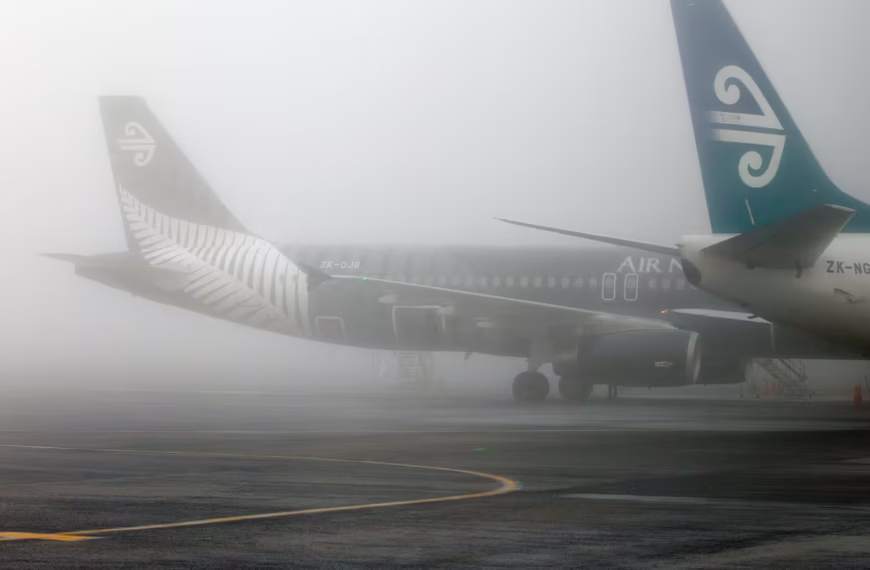


 mobilecasinoonline says:

![Sun Pharma’s $11.75 Billion Organon Acquisition: A New Titan in the Top 25[2026]](https://sparkchronicle.com/wp-content/uploads/2026/04/Gemini_Generated_Image_hnub3xhnub3xhnub.png)