
By Sam Khan | SparkChronicle.com
Auckland Flights Delayed, Cancelled Due To Dense Fog | Travel Disruption Explained
CRICKET : Dense fog has disrupted operations at Auckland Airport, leading to flight delays and cancellations. Here’s what caused the disruption, which flights were affected, and what travellers should do next.
A Calm Morning Turned Into A Travel Nightmare
For thousands of travellers, the day began with packed suitcases and confirmed boarding passes.
Instead, many found themselves staring at departure screens filled with one frustrating word:
Delayed.
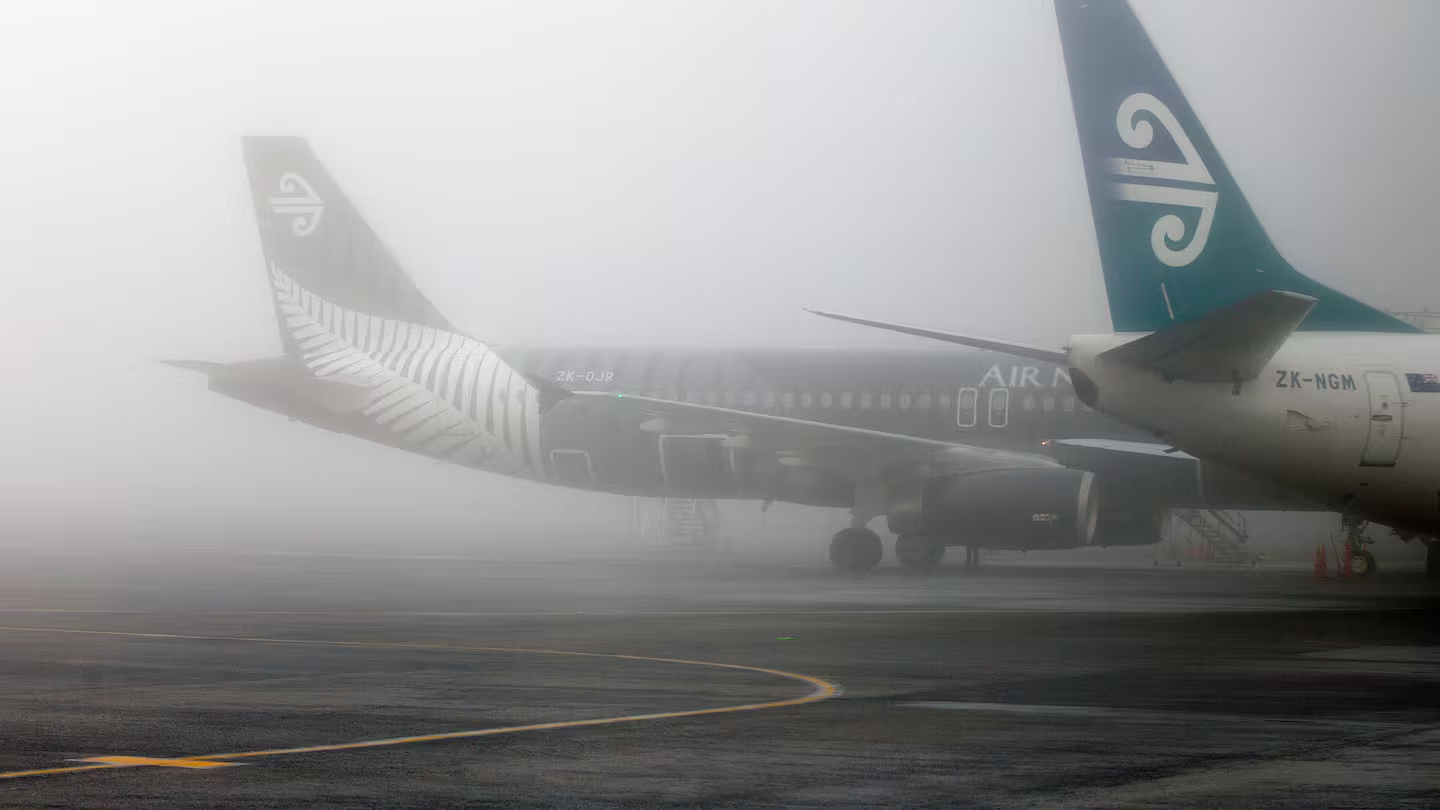
Dense winter fog blanketed Auckland Airport, reducing visibility and forcing authorities to introduce operational restrictions. The result was widespread disruption, with numerous domestic flights delayed and several regional services cancelled as airlines worked to restore normal schedules.
While fog may appear harmless from the ground, it presents a serious challenge for aviation, where even slight reductions in visibility can affect take-offs and landings.
ALSO READ : Virat Kohli & Gautam Gambhir Not Talking? Viral Practice Session Sparks Debate, But Here’s The Truth
What Happened?
Early morning fog settled over Auckland, significantly reducing visibility around the airport.
Airport authorities introduced temporary low-visibility procedures to ensure aircraft operations remained safe. As a result:
- Around 28 domestic regional flights were cancelled.
- Approximately 18 domestic flights were delayed.
- Services to destinations including Queenstown, Wellington and Christchurch were among those affected.
- Flight restrictions remained in place for several hours before being lifted later in the day.
Although weather conditions gradually improved, delays continued as airlines repositioned aircraft and crews.
Why Does Fog Cause So Many Flight Delays?
Unlike heavy rain or thunderstorms, fog mainly affects visibility.
Pilots rely on sophisticated navigation systems, but aircraft operations still require minimum visibility standards during take-off and landing.
When visibility falls below those limits:
- Aircraft departures may be delayed.
- Incoming flights may be placed in holding patterns.
- Some services may be diverted or cancelled.
- Delays often continue even after weather improves because aircraft schedules become disrupted throughout the day.
Safety always remains the highest priority.
SparkChronicle Analysis: One Weather Event Can Disrupt An Entire Network
Air travel operates like a chain.
When one major airport experiences delays, the effects quickly spread across multiple destinations.
An aircraft delayed in Auckland may also arrive late in Wellington, Christchurch or Queenstown, affecting passengers scheduled to board later flights.
This is why relatively short weather events can create travel disruptions lasting much longer than the fog itself.
Advice For Travellers
Passengers travelling through Auckland Airport are advised to:
- Check their flight status before leaving for the airport.
- Stay in contact with their airline regarding schedule changes.
- Allow extra time for travel if flights are operating.
- Be prepared for possible changes throughout the day while airlines recover normal schedules.
Most airlines continue updating passengers through their websites and mobile applications.
Why Winter Fog Is A Seasonal Challenge
During New Zealand’s winter months, calm winds, cool overnight temperatures and high humidity can create dense morning fog, particularly around major airports.
Although such conditions usually improve later in the day, even a few hours of restricted visibility can significantly affect airline schedules.
Modern navigation technology has reduced the impact compared with previous decades, but weather remains one factor no airline can control.
Our Perspective
At SparkChronicle, we believe weather-related disruptions are reminders of how aviation balances efficiency with safety.
While delays can be frustrating, temporary restrictions exist for one reason: ensuring passengers and crews reach their destinations safely.
A delayed flight is inconvenient.
A rushed decision in poor visibility could be far more serious.
Final Word
The fog that covered Auckland this morning lasted only a few hours.
Its impact on travellers, however, extended well beyond sunrise.
As airlines gradually restore normal operations, passengers are encouraged to monitor official flight updates and remain flexible with their travel plans.
In aviation, patience is often just as important as punctuality—especially when nature decides to rewrite the schedule.
Frequently Asked Questions
Why were flights delayed at Auckland Airport?
Dense fog reduced visibility, prompting temporary operational restrictions that affected take-offs and landings.
How many flights were affected?
Approximately 28 domestic regional flights were cancelled, while 18 domestic flights were delayed during the disruption.
Were international flights affected?
The main impact was on domestic and regional services, although some broader scheduling disruptions may have occurred as airlines adjusted operations.
What should passengers do?
Travellers should check their airline’s latest flight status before heading to the airport and follow official travel updates for any schedule changes.


- Prince George Poses in Sharp Suit for Official Birthday Photo as He Turns 13: Royal Lineage, Family Ties & Growing Future King Role
- Wetherspoons Issues Fourth Profit Warning in Seven Months as Rising Operating Costs and Shift in Consumer Spending Bite
- Our Hearts Are Crushed’: Hannah Rapp’s Violent Death Sparks Outpouring of Grief Across Sports World
- Former Southern Water Employees to Face Trial Over Alleged Cover-Up in Wastewater Testing; Ex-CEO Matthew Wright Named
- HMDA Launches Major Road Widening Drive: Key Corridors Around HITEC City, PVNR Expressway & KBR Park Set for Urgent Upgrades

 By
By




![Sun Pharma’s $11.75 Billion Organon Acquisition: A New Titan in the Top 25[2026]](https://sparkchronicle.com/wp-content/uploads/2026/04/Gemini_Generated_Image_hnub3xhnub3xhnub.png)