The UK has agreed a major £3.7 billion trade deal with six Gulf states including Saudi Arabia, UAE, and Qatar. Here’s what the agreement includes, who benefits, and why critics are concerned.
By Sam Khan
Published: May 21, 2026
The United Kingdom has finalized a landmark trade agreement with six Gulf nations in a move the government says could boost the British economy by £3.7 billion annually and strengthen economic ties with one of the world’s fastest-growing regions.
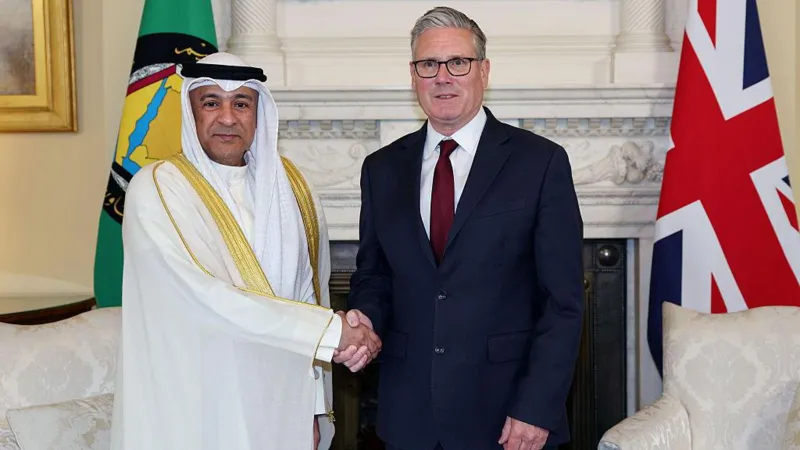
The agreement was reached between the UK and the Gulf Cooperation Council (GCC), a regional bloc made up of:
- Saudi Arabia
- United Arab Emirates (UAE)
- Qatar
- Kuwait
- Oman
- Bahrain
The deal marks the first time a G7 country has successfully secured a comprehensive free trade agreement with the GCC bloc.
ALSO READ : Indian-Origin Delivery Driver Jailed for Over 11 Years After Fatal Hit-and-Run Crash in UK
What Is Included in the Deal?
According to the UK government, the agreement will remove tariffs on around 93% of British goods exported to Gulf countries.
Products expected to benefit include:
- Food exports
- Luxury cars
- Medical equipment
- Aerospace products
- Defence equipment
- Advanced manufacturing goods
British businesses exporting products such as cheese, chocolate, cereals, butter, biscuits, and cars are expected to see major reductions in trade costs.
The government estimates approximately £580 million worth of tariffs will eventually be removed every year once the agreement is fully implemented.
Why the UK Wanted This Deal
The agreement is viewed as an important post-Brexit economic win for the UK government.
Since leaving the European Union, Britain has focused heavily on building independent trade relationships around the world. The Gulf region has become increasingly important because of:
- Rising investment power
- Large sovereign wealth funds
- Growing consumer demand
- Expanding infrastructure projects
Current UK-Gulf trade is already worth roughly £57 billion annually, and officials believe the new agreement could increase trade by nearly 20% over time.
Prime Minister Keir Starmer described the agreement as a “huge win” for British businesses and workers.
Major Boost for UK Services Sector
One of the most significant parts of the deal involves services.
The UK economy is heavily dependent on industries like:
- Banking
- Finance
- Technology
- Education
- Legal services
- Hospitality
The agreement reportedly guarantees British service companies greater access to Gulf markets.
For the first time in a GCC trade agreement, Gulf states also agreed to commitments allowing UK firms to move and store data outside the region more freely — an important issue for modern technology and financial companies.
Business groups such as the British Chambers of Commerce welcomed the deal, saying it could create new opportunities for thousands of UK firms.
Why Critics Are Concerned
Despite economic optimism, the agreement has triggered criticism from human rights organizations and trade activists.
Critics argue the deal lacks strong commitments on:
- Human rights
- Labour protections
- Freedom of expression
- Worker welfare
Groups including the Trade Justice Movement said the absence of a dedicated human rights chapter was particularly concerning given allegations of abuses in parts of the Gulf region.
Online reactions were also divided.
Some praised the deal as essential for Britain’s economic growth, while others questioned whether commercial interests were being prioritized over ethical concerns. Discussions on Reddit reflected growing debate around balancing trade opportunities with political values.
Why the Gulf Region Matters Globally
The GCC region has become increasingly important in global economics and geopolitics.
Countries like Saudi Arabia, Qatar, and the UAE control massive sovereign wealth funds worth trillions of dollars and continue investing heavily in:
- Infrastructure
- Technology
- Sports
- Tourism
- Artificial intelligence
- Renewable energy
The region also imports a large percentage of its food supply, creating opportunities for agricultural exporters like the UK.
For Britain, strengthening ties with Gulf economies is viewed as part of a broader strategy to expand influence beyond Europe after Brexit.
Political Importance for Keir Starmer
The deal also arrives during a politically sensitive period for Prime Minister Keir Starmer.
After facing pressure over local election performances and economic concerns, the government is eager to demonstrate progress on international trade and growth.
This Gulf agreement follows recent UK trade deals involving:
- India
- South Korea
- European Union cooperation agreements
Supporters argue these deals show Britain can still negotiate globally after Brexit.
Opponents, however, continue questioning whether the economic benefits will reach ordinary households quickly enough.
Perspective
The £3.7 billion Gulf trade agreement highlights the UK’s growing shift toward global trade partnerships outside Europe.
Economically, the deal could provide meaningful opportunities for British exporters and service industries. Politically, it gives the government a much-needed international success story.
But the criticism also reflects a larger modern dilemma facing many Western governments:
Can countries pursue major economic partnerships while still maintaining pressure on human rights and democratic standards?
That debate is unlikely to disappear — especially as Gulf nations continue becoming more influential in global business and politics.
Frequently Asked Questions (FAQs)
1. Which countries are part of the UK-Gulf trade deal?
The agreement includes Saudi Arabia, UAE, Qatar, Kuwait, Oman, and Bahrain.
2. How much is the deal worth to the UK economy?
The UK government estimates the deal could boost the economy by £3.7 billion annually.
3. What products benefit from the agreement?
Food products, luxury cars, aerospace goods, medical equipment, and manufacturing exports are among the major beneficiaries.
4. Why are critics unhappy with the deal?
Human rights groups argue the agreement lacks strong protections related to labour rights and political freedoms.
5. Why is this deal important after Brexit?
It strengthens Britain’s independent trade strategy outside the European Union and expands access to fast-growing Gulf markets.
Final Thoughts
The UK’s £3.7 billion trade agreement with Gulf nations could become one of the country’s most significant post-Brexit economic deals.
Supporters see it as proof Britain can still secure major global partnerships and create opportunities for exporters, workers, and investors. Critics, meanwhile, warn economic ambition should not come at the cost of ethical accountability.
What remains clear is that the Gulf region is becoming increasingly central to Britain’s future trade strategy — and this agreement may only be the beginning of deeper economic ties.

- Prince George Poses in Sharp Suit for Official Birthday Photo as He Turns 13: Royal Lineage, Family Ties & Growing Future King Role
- Wetherspoons Issues Fourth Profit Warning in Seven Months as Rising Operating Costs and Shift in Consumer Spending Bite
- Our Hearts Are Crushed’: Hannah Rapp’s Violent Death Sparks Outpouring of Grief Across Sports World
- Former Southern Water Employees to Face Trial Over Alleged Cover-Up in Wastewater Testing; Ex-CEO Matthew Wright Named
- HMDA Launches Major Road Widening Drive: Key Corridors Around HITEC City, PVNR Expressway & KBR Park Set for Urgent Upgrades

 By
By


![Sun Pharma’s $11.75 Billion Organon Acquisition: A New Titan in the Top 25[2026]](https://sparkchronicle.com/wp-content/uploads/2026/04/Gemini_Generated_Image_hnub3xhnub3xhnub.png)