
Author: Luckybrother
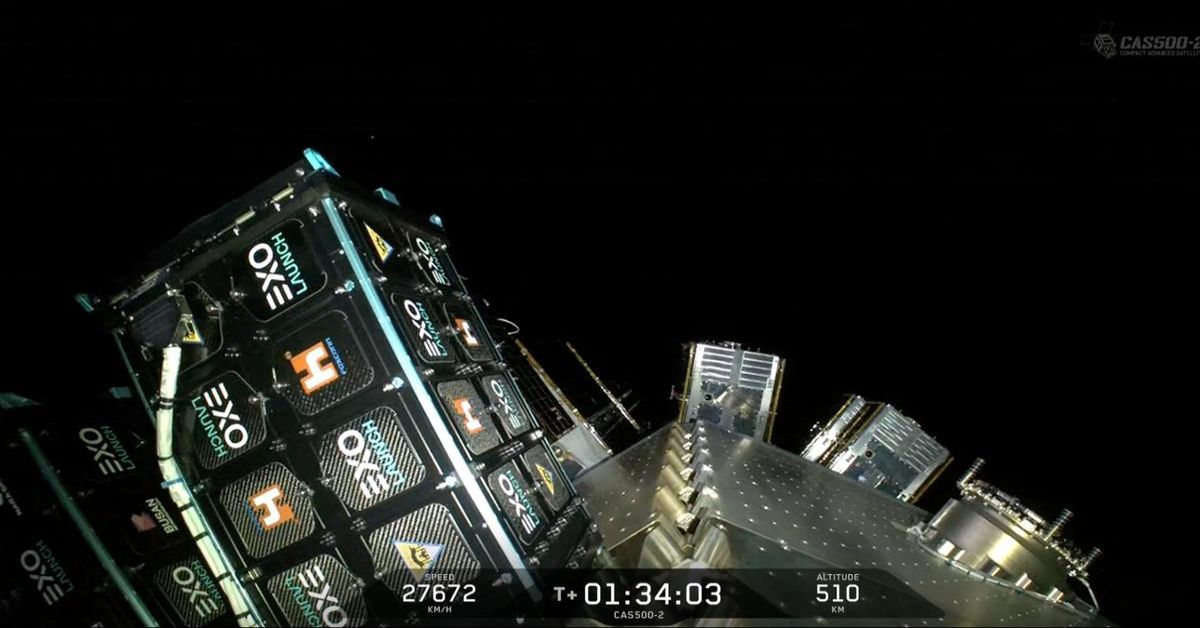
CALIFORNIA / BENGALURU, May 3, 2026 – The global space race witnessed a “Powerhouse” shift today as the Bengaluru-based startup GalaxEye successfully deployed Drishti, India’s largest privately developed Earth observation satellite. Launched aboard a SpaceX Falcon 9 from the Vandenberg Space Force Base, this mission marks a definitive moment where Indian private engineering has leapfrogged traditional global leaders.
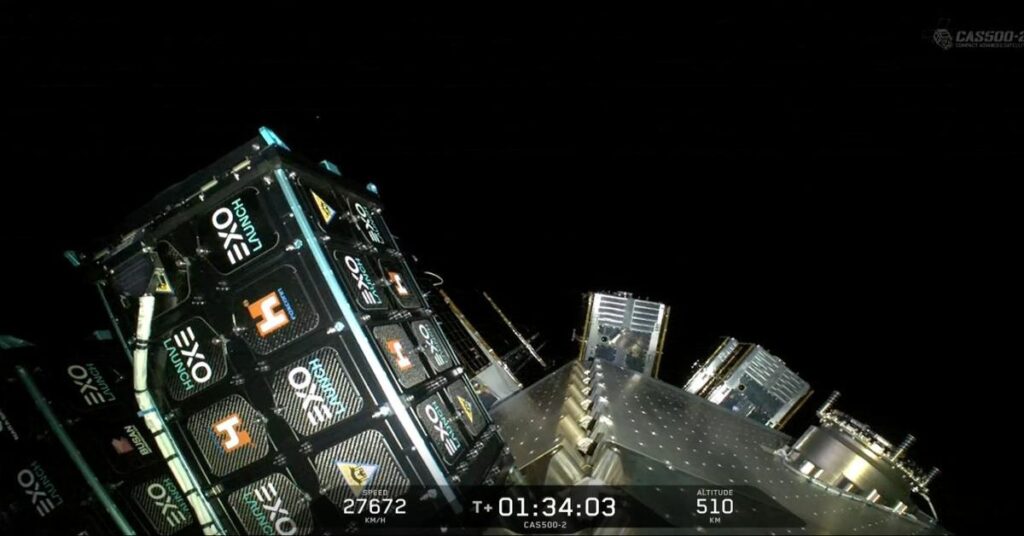
While many nations are still struggling with the limitations of satellite imagery, India has successfully put the world’s first commercial OptoSAR platform into orbit—a technology that allows for simultaneous optical and radar imaging.
ALSO READ : Regency College Leadership Awards 2025–26: Celebrating Hospitality Excellence and Global Vision in Hyderabad
What is Drishti?
Drishti is a high-resolution Earth observation satellite that represents a paradigm shift in space-based surveillance. Traditionally, satellites were either Optical (taking pictures like a camera) or SAR (using radar). Optical cameras are useless at night or during cloudy weather, while SAR (Synthetic Aperture Radar) can see through anything but produces images that are difficult for the human eye to interpret.
Drishti is the world’s first “SyncFused” satellite. It carries a hybrid payload called OptoSAR, which captures both optical and radar data at the exact same time. By merging these two datasets, Drishti provides a “Powerhouse” view of Earth that is:
- All-Weather: It sees through the thickest monsoon clouds and smoke.
- Day & Night: It provides high-definition clarity even in total darkness.
- AI-Driven: Equipped with edge-computing hardware, it processes data in space and sends back actionable insights instead of just raw photos.
Who Owns the Company?
Drishti is owned and operated by GalaxEye Space Solutions, a deep-tech startup headquartered in Bengaluru, India.
The company was founded in 2021 by a group of five visionary engineers from IIT Madras. These founders were previously the core members of Team Avishkar Hyperloop, the only Asian team to reach the finals of the SpaceX Hyperloop Pod Competition.
- Founders: Suyash Singh (CEO), Denil Chawda, Kishan Thakkar, Pranit Mehta, and Rakshit Bhatt.
- Backing: The company is backed by elite investors including Mela Ventures, Speciale Invest, and Inflexor Ventures, and has received significant support from IN-SPACe (Indian National Space Promotion and Authorization Centre).
The Global Comparison: Why India is Leading the Pack
India is no longer just a “cost-effective” alternative; it is now a technology trendsetter. Here is how India’s private space sector compares to the traditional “Big Three” space powers in 2026.
| Feature | India (GalaxEye/Private) | USA (Private Sector) | China (State/Private) | Russia (Roscosmos) |
| Core Innovation | World’s First OptoSAR (Hybrid Radar + Optical) | Mostly separate Optical (Maxar) or SAR (Capella) fleets. | High-resolution but strictly state-controlled. | Primarily legacy tech; slow innovation. |
| Development Speed | Ultra-Fast: Concept to launch in <4 years. | Fast, but often bogged down by massive overheads. | Fast, but lacks transparency for global clients. | Stagnant due to geopolitical and funding issues. |
| Cost-to-Tech Ratio | Supreme: High-end tech at a fraction of Western costs. | Expensive due to high labor and high-risk insurance. | Competitive, but faces trust issues in Western markets. | Low cost, but aging infrastructure. |
| Policy Agility | In-SPACe (2023 Policy): Zero-barrier entry for startups. | Highly regulated; heavy lobbying by legacy firms. | Highly centralized; limited private autonomy. | State-monopolized; no real private sector. |
Why India is Ahead: The Secret Sauce
India’s dominance in 2026 is the result of “Frugal-Tech” mindset combined with massive policy deregulation.
- Leapfrog Engineering: Instead of building what the USA built 20 years ago, Indian startups like GalaxEye are building what the USA wishes it had today. By integrating AI and hybrid sensors from day one, India has skipped the “legacy phase.”
- The “IIT-Madras” Pipeline: India’s ability to produce elite space engineers who are also entrepreneurs is currently unmatched. The ecosystem provides the perfect blend of academic research and commercial agility.
- The IN-SPACe Catalyst: The Indian government has essentially handed the “keys to the kingdom” to private firms, allowing them to use ISRO’s world-class testing facilities. This has slashed the R&D costs for startups by nearly 70%.
Frequently Asked Questions (FAQ)
1. Is Drishti the only satellite GalaxEye will launch?
No. Drishti is the pioneer. GalaxEye plans to launch a “constellation” of 12 such satellites by 2028 to provide 15-minute revisit times for any spot on Earth.
2. Why did they use a SpaceX rocket instead of ISRO?
SpaceX’s “Transporter” missions allow startups to book a “rideshare” to space at very specific orbits that are ideal for Earth observation. It’s a pragmatic business choice to get the first satellite up quickly.
3. How does OptoSAR benefit the common man?
It helps in urban planning, disaster management (predicting floods through cloud cover), and monitoring infrastructure projects to prevent delays and corruption.
Final Thoughts: The New Space Superpower
With Mission Drishti, India has sent a clear message: We are no longer just “launchers” for other nations; we are the architects of the future. While the USA, China, and Russia are locked in geopolitical chess, India’s private “Powerhouse” startups are quietly winning the race for innovation.


- Prince George Poses in Sharp Suit for Official Birthday Photo as He Turns 13: Royal Lineage, Family Ties & Growing Future King Role
- Wetherspoons Issues Fourth Profit Warning in Seven Months as Rising Operating Costs and Shift in Consumer Spending Bite
- Our Hearts Are Crushed’: Hannah Rapp’s Violent Death Sparks Outpouring of Grief Across Sports World
- Former Southern Water Employees to Face Trial Over Alleged Cover-Up in Wastewater Testing; Ex-CEO Matthew Wright Named
- HMDA Launches Major Road Widening Drive: Key Corridors Around HITEC City, PVNR Expressway & KBR Park Set for Urgent Upgrades


 By
By




![Sun Pharma’s $11.75 Billion Organon Acquisition: A New Titan in the Top 25[2026]](https://sparkchronicle.com/wp-content/uploads/2026/04/Gemini_Generated_Image_hnub3xhnub3xhnub.png)