Bollywood: Why is Saurabh Dwivedi facing criticism for his acting in Kartavya? Here’s what may have gone wrong, why journalism and acting are completely different skills, and why social media reacted strongly.
By Sam Khan
Published: May 20, 2026
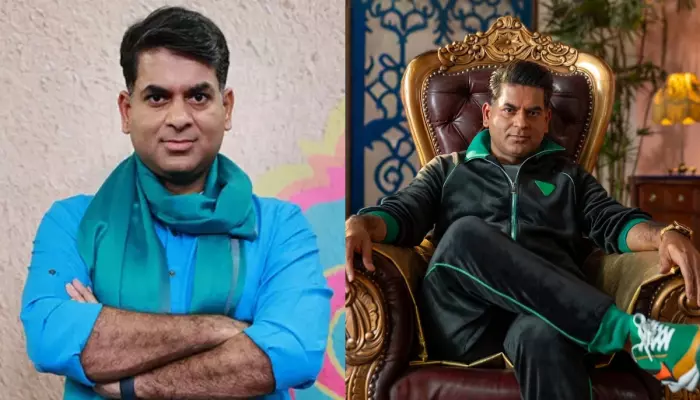
Saurabh Dwivedi, one of India’s most recognized journalists and the face of The Lallantop, recently found himself at the center of online criticism after clips from Kartavya began circulating on social media. While many people appreciate Saurabh for his interviewing style and journalistic work, some viewers questioned his performance in front of the camera as an actor.
ALSO READ : Wintry Blast Ends Calm Autumn Weather as Rain and Icy Roads Hit New Zealand’s Lower South Island
But what exactly went wrong? And why are audiences reacting differently to him in a film compared to his interview-based presence?
The answer may lie in one important fact: being a strong journalist and being a convincing actor require completely different skill sets.
Why Did Social Media Criticize His Acting?
The criticism largely appears to stem from audience expectations. Many viewers are used to seeing Saurabh Dwivedi in his natural journalistic style—asking questions, reacting spontaneously, and speaking conversationally.
However, acting demands something very different.
Some online reactions suggested that:
- The dialogue delivery felt overly familiar to his interview style
- Expressions appeared closer to real-life speaking rather than cinematic performance
- Body language looked more “presenter-like” than character-driven
- Audiences struggled separating “journalist Saurabh” from “actor Saurabh”
Because viewers have watched him for years as a journalist, many entered with a fixed image of him. When public personalities switch professions, audiences often compare them to specialists already established in that field.
This can create stronger criticism than usual.
Why Journalism and Acting Are Completely Different Jobs
Many people assume that someone comfortable in front of cameras can easily become an actor. In reality, journalism and acting involve very different abilities.
1. Journalism Requires Authenticity
As an interviewer, Saurabh Dwivedi’s biggest strength is sounding natural and real.
His popularity grew because audiences felt he spoke honestly, asked relatable questions, and communicated in a grounded way.
In journalism:
- Being real matters
- Natural reactions matter
- Spontaneous thinking matters
- Authentic personality matters
People trust journalists because they appear genuine.
2. Acting Requires Transformation
Acting works almost in the opposite direction.
Actors must:
- Become somebody else
- Change speech patterns
- Adapt expressions
- Show emotions on cue
- Separate themselves from their real personality
A journalist is rewarded for being themselves. An actor is rewarded for not looking like themselves.
This is one reason viewers sometimes feel uncomfortable when famous anchors, journalists, YouTubers, or influencers suddenly enter films.
Why Did His Performance Feel “Job-Like” to Some Viewers?
One major criticism online was that the acting felt more like reading lines professionally rather than emotionally living inside the character.
That does not necessarily mean poor effort—it may simply reflect limited acting experience.
Professional actors often spend years learning:
- Voice modulation
- Emotional range
- Character preparation
- Screen presence
- Timing and pauses
When audiences watch experienced actors, they often forget the performer is acting.
In contrast, when viewers can still strongly see the public personality behind the role, criticism increases.
Some social media users reportedly felt they were still watching “Lallantop Saurabh” rather than a fictional character.
Why Social Media Backlash Happens Quickly
Social media tends to react harshly whenever public figures move outside their primary profession.
Examples include:
- Cricketers trying commentary
- Influencers entering films
- Actors launching podcasts
- Journalists appearing in movies
People often judge newcomers more strictly because comparisons happen instantly.
In Saurabh Dwivedi’s case, expectations may have been unusually high because he already has strong credibility and public recognition.
At the same time, viral clips can sometimes exaggerate reactions. A few scenes circulating online may not always reflect an entire performance.
Does Criticism Mean Failure?
Not necessarily.
Many actors, presenters, and media personalities faced criticism early in career transitions.
Public response often changes over time if performers continue learning and improving.
The entertainment industry is filled with examples of personalities who initially struggled but later gained acceptance after refining performance skills.
What matters most is whether audiences eventually begin believing the character instead of focusing only on the person behind it.
Perspective
Saurabh Dwivedi’s case highlights something bigger about public expectations. Viewers are often deeply attached to a person’s existing identity. When someone moves from journalism into cinema, audiences unconsciously expect perfection while also resisting change.
The criticism around Kartavya may say less about effort and more about transition difficulty.
Interviewing and acting may both happen in front of a camera, but they are fundamentally different crafts. One rewards authenticity, while the other rewards transformation.
That gap can be difficult—even for highly talented public personalities.
Frequently Asked Questions (FAQs)
1. Why is Saurabh Dwivedi getting criticism for Kartavya?
Some viewers felt his acting style looked too similar to his journalist personality.
2. Why do people say the acting looked “job-like”?
Some social media reactions suggested the performance felt more professional than emotionally immersive.
3. Is journalism and acting the same skill?
No. Journalism values authenticity, while acting requires transformation into a character.
4. Has Saurabh Dwivedi responded to criticism?
As of now, there has been no major public response widely discussed.
5. Does backlash mean the performance failed?
Not necessarily. Public reactions online can be mixed, and opinions often evolve over time.
Final Thoughts
Saurabh Dwivedi remains one of India’s most respected journalists, but stepping into acting naturally brings a different kind of scrutiny. What works brilliantly in interviews does not always translate immediately into cinema.
The biggest challenge for any public personality entering films is convincing audiences to forget who they already are. In Kartavya, some viewers felt that transformation did not fully happen—at least not yet.
Still, criticism is often part of creative experimentation, and public opinion can change with time and experience.


- Prince George Poses in Sharp Suit for Official Birthday Photo as He Turns 13: Royal Lineage, Family Ties & Growing Future King Role
- Wetherspoons Issues Fourth Profit Warning in Seven Months as Rising Operating Costs and Shift in Consumer Spending Bite
- Our Hearts Are Crushed’: Hannah Rapp’s Violent Death Sparks Outpouring of Grief Across Sports World
- Former Southern Water Employees to Face Trial Over Alleged Cover-Up in Wastewater Testing; Ex-CEO Matthew Wright Named
- HMDA Launches Major Road Widening Drive: Key Corridors Around HITEC City, PVNR Expressway & KBR Park Set for Urgent Upgrades

 By
By


![Sun Pharma’s $11.75 Billion Organon Acquisition: A New Titan in the Top 25[2026]](https://sparkchronicle.com/wp-content/uploads/2026/04/Gemini_Generated_Image_hnub3xhnub3xhnub.png)