Meta Description: A calm autumn spell across New Zealand is set to end as a wintry weather shift brings heavy rain, colder temperatures, snow risks, and icy roads to the lower South Island.
By Sam Khan
Published: May 20, 2026
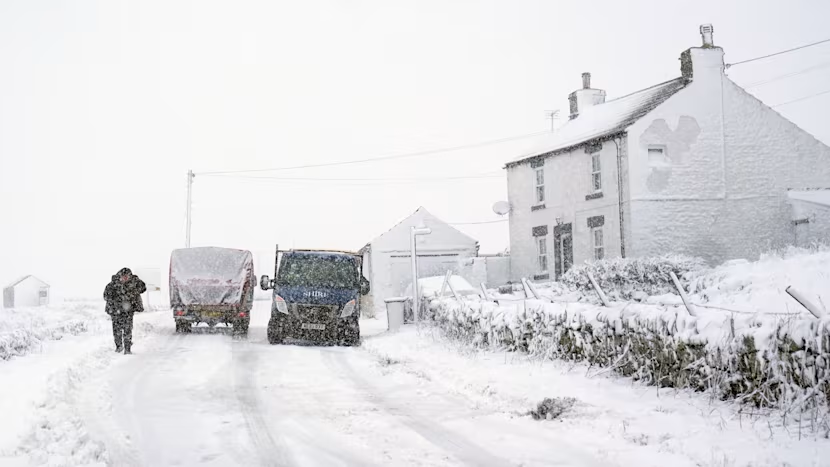
A period of relatively calm autumn weather across New Zealand’s lower South Island is coming to an abrupt end as forecasters warn of a sharp wintry shift expected to bring rain, colder temperatures, strong winds, and icy road conditions over the coming days.
ALSO READ : Two Killed in Horror Dandenong Highway Crash as Major Melbourne Route Faces Traffic Chaos
Weather experts say residents in southern regions should prepare for rapidly changing conditions as a cold front moves across the country, increasing the likelihood of slippery roads and travel disruption, particularly in elevated areas. The sudden weather transition is expected to affect several communities that have recently enjoyed mild and stable autumn conditions.
Calm Autumn Conditions Set to Disappear
After weeks of comparatively settled weather in parts of the South Island, meteorologists say a colder system is now moving in from the south, replacing the mild autumn spell with more winter-like conditions.
The shift is expected to bring:
- Heavy rain in parts of the lower South Island
- Falling temperatures
- Strong winds in exposed regions
- Potential snow on higher ground
- Frost and icy roads in colder districts
Forecasters warn that overnight temperatures could drop sharply, increasing risks for motorists travelling through mountain passes and inland roads.
Which Areas Could Be Most Affected?
The lower South Island — including regions around Otago, Southland, and parts of inland Canterbury — is expected to experience the strongest impact from the incoming weather system.
Drivers travelling through alpine routes and elevated roads have been advised to remain cautious as icy conditions may develop, particularly during early mornings and overnight periods.
Authorities may also issue travel advisories for areas vulnerable to snowfall and black ice, especially on rural highways where temperatures can fall rapidly.
Coastal regions are expected to see rain and gusty conditions, while inland areas may experience colder air and frost formation.
Travel Warnings Issued for Motorists
Transport officials are urging commuters and long-distance travellers to monitor weather updates before setting out, especially in southern parts of the country.
Motorists are being advised to:
- Drive carefully on wet and icy roads
- Reduce speed in poor visibility
- Check tyre conditions and vehicle readiness
- Carry warm clothing during long-distance travel
- Monitor local road closures or warnings
Icy roads are often among the biggest concerns during sudden seasonal weather shifts, particularly in regions where freezing temperatures arrive overnight.
Why Is the Weather Changing So Suddenly?
Meteorologists say transitional periods between autumn and winter often bring unpredictable weather patterns to New Zealand.
Cold southern air masses frequently interact with moisture systems, creating rapid shifts from mild temperatures to colder, wetter conditions within a short period.
The lower South Island is especially vulnerable due to its geography, which exposes many regions to southern ocean weather systems and colder Antarctic air flows.
While autumn conditions had remained relatively calm in recent weeks, forecasters say this latest system signals a stronger move toward winter weather.
Perspective
Seasonal transitions in New Zealand often remind residents how quickly weather conditions can change, especially in southern regions where temperatures fluctuate dramatically.
For farmers, commuters, and outdoor workers, sudden cold snaps bring practical challenges ranging from road safety to livestock management and travel disruption.
The latest forecast also serves as an early reminder that winter preparation may now become increasingly important for households and motorists across the South Island.
Frequently Asked Questions (FAQs)
1. What weather changes are expected in New Zealand’s lower South Island?
A cold weather shift is expected to bring rain, colder temperatures, icy roads, and possible snow in higher areas.
2. Which areas may be affected the most?
Regions including Otago, Southland, and inland Canterbury are expected to face the strongest impact.
3. Will roads become dangerous?
Yes. Authorities warn that icy roads and slippery conditions may develop, especially overnight and during early mornings.
4. Could there be snowfall?
Snow is possible in elevated regions and mountain areas as temperatures fall.
5. Why is the weather changing suddenly?
A cold southern weather system is replacing calm autumn conditions, bringing more winter-like temperatures and rainfall.
Final Thoughts
The calm autumn weather many residents enjoyed across New Zealand’s lower South Island appears to be ending as a colder, wetter pattern moves in. With rain, icy roads, and falling temperatures forecast, residents and travellers are being urged to stay prepared and remain alert to changing conditions.
As winter edges closer, the latest weather shift serves as a reminder that New Zealand’s climate can turn quickly—especially in southern regions where seasonal transitions often arrive with little warning.


- Prince George Poses in Sharp Suit for Official Birthday Photo as He Turns 13: Royal Lineage, Family Ties & Growing Future King Role
- Wetherspoons Issues Fourth Profit Warning in Seven Months as Rising Operating Costs and Shift in Consumer Spending Bite
- Our Hearts Are Crushed’: Hannah Rapp’s Violent Death Sparks Outpouring of Grief Across Sports World
- Former Southern Water Employees to Face Trial Over Alleged Cover-Up in Wastewater Testing; Ex-CEO Matthew Wright Named
- HMDA Launches Major Road Widening Drive: Key Corridors Around HITEC City, PVNR Expressway & KBR Park Set for Urgent Upgrades

 By
By




![Sun Pharma’s $11.75 Billion Organon Acquisition: A New Titan in the Top 25[2026]](https://sparkchronicle.com/wp-content/uploads/2026/04/Gemini_Generated_Image_hnub3xhnub3xhnub.png)